Canine Kinetics
  • Home
  • Services
    • Canine Physiotherapy
    • Canine Hydrotherapy
    • Physiotherapy Techniques/Modalities
    • Custom Orthoses & Braces
    • Wheelchair Assessments and Fittings
  • About
  • Contact
  • Book Now
  • Blog
Picture

Unravelling the Benefits: The Importance of Canine Stretching Before Exercise

2/20/2024

Comments

 
In the world of pet care, our dog's health and happiness is of utmost importance. As responsible pet owners, we are committed to providing them with the best possible care, ensuring their physical and mental well-being is well taken care of. Regular exercise is a key aspect of this commitment. It plays a crucial role in maintaining a dog's vitality and overall happiness. Physical activity is vital for a dog's routine because it promotes physical fitness, mental stimulation and emotional well-being.

The significance of pre-exercise stretching is often overlooked amid the busy routines of our lives. Just as stretching is crucial for us during our workout routines, it holds equal importance for our furry friends. Canine stretching serves as a fundamental preparatory step that optimises their performance and protects their health during physical activities. In this exploration, we will delve into the multifaceted realm of canine stretching, unravelling its myriad benefits and providing insights into how it can elevate your dog's exercise regimen to new heights of vitality and vigour.

The Importance of Canine Stretching

The relationship between a dog and its owner is dynamic, and as a responsible pet owner, it's important to understand the significance of canine stretching. Stretching is not just a warm-up routine, but it offers numerous benefits to your dog's health. In this article, we will explore the many benefits of incorporating stretching into your dog's pre-exercise routine.

Injury Prevention

Just like humans, dogs also need a warm-up session to prepare their muscles for exertion. Stretching is an important aspect of this warm-up routine, as it helps elongate the muscles and increases blood flow to the tissues, which enhances flexibility and reduces the risk of injury during exercise. Stiff or tight muscles are more prone to musculoskeletal injuries like sprains and strains, making pre-exercise stretching essential for safeguarding your dog's physical well-being.

Enhanced Flexibility

Dogs' ability to move gracefully and agilely depends on the flexibility of their muscles and joints. Regular stretching sessions can help improve a dog's flexibility, allowing them to perform movements with ease and fluidity. Whether navigating an agility course or engaging in interactive play, better flexibility enables dogs to move confidently and accurately, enhancing their overall exercise experience.

Performance Optimisation

Athletes perform dynamic warm-up routines to optimise their performance. Similarly, dogs can benefit from pre-exercise stretching to enhance their athletic abilities. Stretching loosens tight muscles and promotes optimal muscle function, which primes the body for action. This allows dogs to perform at their best during physical activities, whether it's sprinting across a field or scaling obstacles in an agility trial. A well-stretched dog is better equipped to meet the demands of rigorous exercise, resulting in improved endurance, speed, and agility.

Mental Preparedness

Stretching is not only beneficial for dogs physically but also mentally. Canine stretching helps dogs to prepare psychologically for the challenges ahead. The rhythmic movements of stretching instil a sense of calm and focus in dogs, promoting mental clarity and concentration. This mental preparedness is particularly valuable for dogs engaged in competitive sports or activities requiring heightened levels of attentiveness and responsiveness. It enables them to perform with confidence and composure.

In the world of canine care, pre-exercise stretching is an essential component that contributes to a dog's physical health, mental well-being, and athletic performance. By incorporating stretching into your dog's routine, you can improve their exercise experience, and promote a harmonious balance of strength, flexibility, and vitality. As responsible caretakers of our furry companions, let us recognise the transformative power of canine stretching and nurture our dogs' innate potential by enriching their lives with every stretch and stride.
Picture
Passive Stretching

Passive stretching is an important part of canine physical therapy and rehabilitation. It involves using various techniques to lengthen muscles and increase joint mobility without requiring the dog to actively participate. These techniques are supported by scientific principles and have been proven effective through research and clinical studies. Passive stretching is a valuable tool for promoting musculoskeletal health, preventing injuries, and improving overall well-being in dogs.
​
Muscle Relaxation and Lengthening

Passive stretching is a crucial aspect of physical therapy and rehabilitation for dogs. It involves using different techniques to lengthen muscles and enhance joint mobility without active participation from the dog. These techniques are backed by scientific principles and have been proven effective through research and clinical studies. Passive stretching is a valuable tool for promoting musculoskeletal health, preventing injuries, and improving overall well-being in dogs.

Improvement in Joint Range of Motion

Tight muscles and restricted joint mobility are common issues faced by dogs, especially those undergoing rehabilitation or recovering from orthopaedic injuries. Passive stretching techniques can help target specific muscle groups and joints to restore or enhance their range of motion. Passive stretching involves applying controlled, sustained tension to the muscles around a joint to promote synovial fluid circulation, articular cartilage nutrition, and joint capsule flexibility.

Passive stretching exercises for the hip joint involve gently manipulating the dog's hind limb to encourage extension, flexion, abduction, and adduction movements. These targeted stretches can alleviate muscle tension, promote optimal hip joint function and reduce the risk of secondary complications such as hip dysplasia or osteoarthritis.

Pain Reduction and Enhanced Comfort

Dogs suffering from musculoskeletal conditions, such as osteoarthritis, soft tissue injuries, or postoperative discomfort, can benefit greatly from passive stretching interventions. Passive stretching helps to release tension in tight muscles, promote blood flow, and reduce inflammation, which in turn alleviates pain and discomfort associated with restricted movement. During stretching, the release of endorphins can further contribute to pain relief and promote a sense of well-being in dogs.

For dogs with osteoarthritis affecting the forelimbs, passive stretching exercises that target the shoulder and elbow joints can help alleviate stiffness and discomfort. By gently mobilising these joints through a range of motion, passive stretching promotes joint lubrication, reduces friction, and enhances overall comfort during movement.

Prevention of Secondary Complications

Passive stretching not only has rehabilitative benefits but also plays a crucial role in preventing complications that may arise from prolonged immobility, disuse atrophy or post-surgical confinement. By maintaining muscle length and joint flexibility, passive stretching helps to reduce the risk of muscle contractures, joint stiffness, and compensatory gait abnormalities, which in turn facilitates a smoother and quicker recovery process.

In cases of orthopaedic surgeries such as cruciate ligament repair or fracture fixation, passive stretching exercises can help prevent muscle atrophy and joint stiffness in the affected limb. By incorporating gentle stretching movements into the postoperative rehabilitation protocol, veterinarians can optimise tissue healing, promote functional recovery, and minimise the risk of postoperative complications.

Passive stretching stands as a cornerstone of canine rehabilitation, offering a multifaceted approach to musculoskeletal wellness and injury prevention. Through its ability to promote muscle relaxation, improve joint range of motion, alleviate pain, and prevent secondary complications, passive stretching plays a pivotal role in optimising the physical function and overall quality of life for dogs of all ages and activity levels. By integrating evidence-based passive stretching techniques into their practice, veterinarians, rehabilitation specialists, and pet owners alike can empower their canine companions to thrive, move with ease, and enjoy a lifetime of mobility and vitality.
Picture
Active Stretching

Active stretching, an interactive and engaging form of pre-exercise warm-up, involves encouraging dogs to perform stretching movements on their own, utilising treats, toys, or positive reinforcement as incentives. This dynamic approach not only enhances physical flexibility but also fosters mental engagement, proprioceptive awareness, and bonding between the dog and owner. Here, we delve deeper into the multifaceted benefits and diverse applications of active stretching in canine fitness and well-being:

Engagement of Proprioception and Body Awareness

Active stretching prompts dogs to actively engage and mobilise their muscles, joints, and connective tissues, thereby enhancing proprioceptive feedback and body awareness. By encouraging dogs to perform controlled movements such as reaching, bending, and stretching, owners can help them develop a heightened sense of spatial orientation and kinaesthetic understanding. This proprioceptive awareness is particularly beneficial for dogs participating in sports, agility training, or rehabilitation, as it promotes coordination, balance, and injury prevention.

Stimulation of Dynamic Flexibility and Functional Mobility

Unlike passive stretching, which primarily targets static muscle lengthening, active stretching focuses on dynamic movements that mimic the natural range of motion required for functional activities. Through exercises such as reaching for treats, performing controlled stretches, or engaging in interactive play, dogs dynamically stretch and mobilise their muscles across multiple planes of motion. This dynamic flexibility not only improves joint mobility and muscle elasticity but also enhances the dog's ability to perform athletic manoeuvres, navigate obstacles, and respond to environmental stimuli in real-world scenarios.

Promotion of Mental Engagement and Cognitive Stimulation

Active stretching transcends the realm of physical conditioning, serving as a potent tool for mental stimulation and cognitive enrichment in dogs. Owners can engage their dog's cognitive faculties, promote problem-solving skills, and alleviate boredom by incorporating interactive elements such as obstacle courses, puzzle toys, or obedience commands into stretching routines. This mental engagement not only enhances the overall efficacy of the stretching session but also strengthens the bond between the dog and owner, fostering a sense of trust, cooperation, and mutual enjoyment.

Integration of Functional Training and Skill Development

Active stretching seamlessly integrates with functional training exercises and skill development drills, offering a holistic approach to canine fitness and performance enhancement. By incorporating stretching movements into obedience training routines, agility courses, or scent detection exercises, owners can reinforce desired behaviours, improve body mechanics, and optimise athletic performance. Moreover, by varying the intensity, duration, and complexity of stretching exercises, owners can tailor the workout to meet the specific needs and abilities of their dog, ensuring progressive adaptation and skill refinement over time.

In essence, active stretching represents a dynamic and interactive approach to canine conditioning, encompassing physical flexibility, mental engagement, and skill development in a harmonious blend. By harnessing the power of positive reinforcement and interactive play, owners can transform stretching sessions into enjoyable and rewarding experiences for their dogs, fostering physical resilience, mental acuity, and mutual trust. Whether as a prelude to exercise, a component of training, or simply a bonding activity between companions, active stretching holds immense potential to enrich the lives of dogs and their owners alike, one stretch at a time.

Active stretching represents a dynamic and evidence-based approach to canine fitness and rehabilitation, offering myriad benefits ranging from neuromuscular facilitation and strength development to performance enhancement and injury prevention. By incorporating active stretching techniques into their training and rehabilitation protocols, dog owners, veterinarians, and rehabilitation specialists can optimise musculoskeletal health, promote athletic excellence, and enhance the overall well-being of their doggo companions.
Picture
Incorporating stretching into a dog's pre-exercise routine is essential for promoting flexibility, preventing injuries, and enhancing performance. Whether it's passive stretching to improve flexibility or active stretching to warm up the muscles, both techniques offer valuable benefits for our canine companions. By dedicating just a few minutes to stretching before physical activity, we can help ensure our dogs enjoy a safe, enjoyable, and fulfilling exercise experience.

If you want to learn more tricks and tips and be involved in a community of like-minded individuals, join our Facebook group at:
Facebook Group
Comments

“What’s in a knee!?” Types of Canine Knee Injuries and Rehabilitation Pathways

2/6/2024

Comments

 
Canine knee injuries are a common concern among dog owners, affecting various breeds and sizes. These injuries can significantly impact a dog's mobility, comfort, and quality of life. Understanding the different types of knee injuries and the pathways for rehabilitation is crucial for ensuring the best possible outcomes for our doggo companions.

Types of Canine Knee Injuries

Cruciate Ligament Tears
The cruciate ligaments, namely the cranial cruciate ligament (CCL), are vital for stabilising the knee joint in dogs. Tears or ruptures in the CCL are among the most common knee injuries in canines, often resulting from sudden trauma or degenerative changes. Dogs with cruciate ligament tears typically exhibit lameness, swelling, and difficulty bearing weight on the affected limb.

Patellar Luxation
Patellar luxation involves the dislocation of the kneecap (patella) from its normal position within the groove of the femur. This condition can be congenital or acquired and may vary in severity from intermittent to permanent dislocation. Symptoms include intermittent limping, skipping, or "locking" of the knee joint.

Meniscal Injuries
The menisci are cartilage structures within the knee joint that provide cushioning and stability. Injuries to the menisci commonly accompany cruciate ligament tears but can also occur independently. Dogs with meniscal injuries may exhibit lameness, joint swelling, and pain, particularly during movement.


Rehabilitation Pathways

Conservative Management
Conservative management is an approach to treating canine knee injuries without resorting to surgical intervention. This method is often considered in cases where surgery may not be feasible or necessary, such as in older dogs, those with concurrent health issues that increase surgical risks, or in instances where the injury is mild to moderate. 

Here's a more in depth exploration of conservative management strategies for canine knee injuries.
  1. Rest and Activity Modification
  2. Rest is essential during the initial stages of conservative management to allow the injured knee to heal and reduce inflammation.
  3. Limiting strenuous activities, such as running, jumping, or rough play, can prevent further strain on the knee joint and promote healing.
  4. Controlled leash walking may be encouraged to maintain mobility while minimising stress on the injured limb.

Weight Management
Maintaining a healthy body weight is crucial for dogs with knee injuries, as excess weight can exacerbate strain on the joint and impede healing. A balanced diet, portion control, and appropriate exercise regimens tailored to the dog's needs can help achieve and maintain a healthy body weight.

Pain Management
Pain relief is an integral component of conservative management and may involve the use of non-steroidal anti-inflammatory drugs (NSAIDs) prescribed by a veterinarian to alleviate discomfort and reduce inflammation. Other pain management modalities, such as joint supplements (e.g., glucosamine and chondroitin), nutraceuticals, or alternative therapies like acupuncture, may also be considered to enhance pain relief and support joint health.

Physiotherapy and Rehabilitation
Physiotherapy modalities can play a significant role in conservative management by promoting healing, reducing pain, and improving joint function. Common physiotherapy techniques include:
  1. Passive range of motion exercises: Gentle manipulation of the affected joint to maintain flexibility and prevent stiffness.
  2. Therapeutic exercises: Tailored exercise regimens to strengthen muscles surrounding the knee joint and improve stability and mobility.
  3. Hydrotherapy: Controlled swimming or underwater treadmill exercises to facilitate low-impact conditioning and promote muscle strength without placing excessive stress on the joints.
  4. Massage therapy: Hands-on manipulation of soft tissues to reduce muscle tension, improve circulation, and enhance relaxation.

Orthopaedic Supports
Orthopaedic devices, such as knee braces or supportive wraps, may be recommended in some cases to provide additional stability and support to the injured knee joint. These supports can help alleviate discomfort, reduce inflammation, and improve proprioception while the knee heals.

Regular Monitoring and Follow-Up
Close monitoring of the dog's progress is essential during conservative management, with regular follow-up appointments scheduled to assess response to treatment and make any necessary adjustments to the management plan. Radiographic imaging or other diagnostic tests may be repeated periodically to evaluate healing and monitor for any changes in the condition of the knee joint.

Conservative management can be an effective approach for managing certain canine knee injuries, particularly in cases where surgery may not be indicated or desired. However, it's important to work closely with a veterinarian and rehabilitation expert  to develop a comprehensive treatment plan tailored to the individual dog's needs and condition. With proper care, many dogs can experience significant improvement in their mobility and quality of life through conservative management strategies.
Picture
​Surgical Intervention

Surgical intervention is often recommended for severe or progressive knee injuries, especially cruciate ligament tears and advanced cases of patellar luxation. Common surgical procedures include:
  1. Tibial Plateau Leveling Osteotomy (TPLO)
  2. Cranial Cruciate Ligament Repair (CCLR)
  3. Patellar Realignment Procedures
These surgeries aim to stabilise the knee joint, restore normal biomechanics, and alleviate pain, thus improving the dog's overall function and quality of life.

Tibial Plateau Leveling Osteotomy (TPLO)
TPLO is a surgical procedure primarily used to address cranial cruciate ligament (CCL) tears, which are one of the most common knee injuries in dogs. During TPLO, the veterinarian makes an incision over the knee joint and cuts the top portion of the tibia (shinbone). The angle of the tibial plateau is then altered and stabilised using specialised plates and screws, effectively changing the biomechanics of the knee joint. By altering the angle of the tibial plateau, TPLO reduces the need for the cranial cruciate ligament, providing stability to the knee joint during weight-bearing activities. TPLO is known for promoting faster and more reliable healing compared to some other surgical techniques.

Cranial Cruciate Ligament Repair (CCLR)
CCLR involves repairing or replacing the torn cranial cruciate ligament (CCL) to restore stability to the knee joint. There are several techniques used for CCLR, including:
  1. Extracapsular suture stabilisation: This involves placing sutures outside the joint to stabilise the knee.
  2. Tightrope technique: This technique utilises a specialised implant to mimic the function of the torn ligament.
  3. Lateral suture technique: Similar to extracapsular suture stabilisation, this technique involves placing a strong suture outside the joint to stabilise the knee.
The choice of technique may depend on factors such as the size of the dog, the severity of the injury, and the surgeon's preference. CCLR aims to restore normal knee function by providing stability to the joint and preventing abnormal movement that can lead to further damage.

Patellar Realignment Procedures
Patellar luxation, where the kneecap (patella) dislocates from its normal position, may require surgical intervention if conservative measures fail to provide relief. Surgical procedures for patellar luxation aim to realign the patella and correct any underlying anatomical abnormalities contributing to the dislocation. Common procedures include:
  1. Trochleoplasty: Reshaping of the groove in the femur where the patella sits to better accommodate the patella.
  2. TTA (Tibial Tuberosity Advancement): This procedure may be used in cases of patellar luxation associated with underlying skeletal abnormalities. It involves advancing the tibial tuberosity to improve patellar alignment and stability.
  3. Lateral Imbrication: This procedure tightens the soft tissues on the outside of the knee to prevent the patella from luxating to the side.

The specific procedure chosen depends on factors such as the severity of the luxation, concurrent orthopaedic issues, and the dog's size and breed.

These surgical procedures aim to restore stability and function to the knee joint, alleviate pain, and improve the dog's overall quality of life. It's essential to discuss the available surgical options with a veterinarian or veterinary surgeon to determine the most suitable approach based on the individual needs of the dog. Additionally, post-operative rehabilitation is crucial for optimising recovery and maximising the success of the surgical intervention.

Post-Surgical Rehabilitation

Post-operative rehabilitation plays a vital role in the recovery process following surgical intervention for canine knee injuries. Below is and extended and detailed exploration of rehabilitation strategies and modalities.

Controlled Exercise Regimens
Controlled exercise is crucial during the rehabilitation period to promote healing, rebuild strength, and restore normal joint function. Initially, exercise should be limited to short, leash-controlled walks to prevent excessive strain on the surgical site. As the dog progresses, the veterinarian or rehabilitation specialist may recommend gradually increasing the duration and intensity of exercise, incorporating activities such as controlled leash walking, gentle jogging, and low-impact exercises. It's essential to avoid activities that may put undue stress on the knee joint, such as jumping, running on slippery surfaces, or rough play, especially during the early stages of rehabilitation.

Joint Mobilisation and Range of Motion Exercises
Joint mobilisation techniques, including passive range of motion exercises, help maintain or improve joint flexibility and prevent stiffness. These exercises may involve gently moving the affected joint through its full range of motion, guided by a trained rehabilitation therapist. Range of motion exercises should be performed regularly but carefully to avoid overstretching or causing discomfort to the dog.

Therapeutic Modalities
Various therapeutic modalities can aid in pain management, reduce inflammation, and promote tissue healing. Common modalities include:
  1. Therapeutic ultrasound: Uses high-frequency sound waves to penetrate tissues, promoting circulation, and accelerating the healing process.
  2. Laser therapy: Utilises low-level laser light to stimulate cellular activity, reduce pain, and enhance tissue repair.
  3. Electrical stimulation: Applies electrical currents to targeted muscles or nerves to alleviate pain, reduce muscle atrophy, and improve muscle function.
  4. Cold therapy (cryotherapy) and heat therapy: Alternating cold and heat applications can help manage pain, reduce swelling, and improve circulation in the affected area.

Balance and Proprioception Training
Balance and proprioception exercises focus on improving the dog's awareness of limb placement and joint position, thereby enhancing stability and coordination. These exercises may include standing on unstable surfaces (e.g., balance pads or balance balls), walking over obstacles of varying heights, and performing controlled weight-shifting movements. Balance and proprioception training help retrain the neuromuscular system, reducing the risk of re-injury and improving overall functional performance.

Hydrotherapy

Hydrotherapy, which involves controlled exercises performed in water, plays a crucial role in the rehabilitation process for dogs recovering from knee injuries. Here's why hydrotherapy is considered an essential component of canine knee injury rehabilitation.

Low-Impact Exercise
Hydrotherapy provides a low-impact environment for dogs to exercise, allowing them to engage in physical activity without placing excessive stress on the injured knee joint. The buoyancy of water supports the dog's body weight, reducing the strain on the joints while still allowing for effective conditioning and muscle strengthening.

Improved Range of Motion
The resistance and buoyancy of water create a dynamic environment that promotes increased joint mobility and range of motion. Performing exercises in water allows dogs to move their joints through a greater range of motion than they might be able to achieve on land, facilitating joint flexibility and reducing stiffness.

Muscle Strengthening
Hydrotherapy exercises target and strengthen the muscles surrounding the knee joint, helping to stabilise the joint and prevent further injury. Resistance provided by the water encourages muscle engagement and development, promoting overall strength and endurance. 

Pain Relief and Reduced Inflammation
The hydrostatic pressure of water can help reduce swelling and inflammation in the injured knee joint, providing natural pain relief. Immersion in warm water can also have a soothing effect on sore muscles and joints, promoting relaxation and alleviating discomfort.

Cardiovascular Fitness
Hydrotherapy sessions can be designed to incorporate aerobic exercises, such as swimming or walking on an underwater treadmill, to improve cardiovascular fitness. Aerobic conditioning helps increase stamina and endurance, enhancing the dog's overall fitness level and promoting weight management.

Enhanced Proprioception and Balance
Hydrotherapy exercises challenge the dog's proprioceptive abilities, or their sense of body awareness and position in space. Performing exercises in water requires dogs to adjust their movements to maintain balance and stability, thereby improving proprioception and coordination.

Safe and Controlled Environment
Hydrotherapy sessions are typically conducted under the supervision of trained professionals, ensuring that exercises are performed safely and effectively. Water depth, temperature, and resistance can be adjusted to meet the specific needs and abilities of each dog, making hydrotherapy suitable for dogs of all ages and fitness levels.

Positive Reinforcement and Enjoyment
Many dogs enjoy water-based activities, making hydrotherapy sessions a positive and enjoyable experience for them. The positive reinforcement associated with hydrotherapy can motivate dogs to actively participate in their rehabilitation program, leading to better compliance and outcomes.

Nutrition and Monitoring

Nutritional Support and Weight Management
Proper nutrition and weight management are essential components of rehabilitation, especially for overweight or obese dogs. Maintaining a healthy body weight reduces stress on the joints and facilitates recovery from surgery. A balanced diet rich in high-quality protein, essential fatty acids, vitamins, and minerals supports tissue repair and muscle strength.

Regular Monitoring and Adjustments
Throughout the rehabilitation process, close monitoring by a veterinarian or certified rehabilitation therapist is essential. Progress should be assessed regularly, and the rehabilitation plan may need to be adjusted based on the dog's response to treatment, changes in condition, or any emerging issues. Open communication between the pet owner and the rehabilitation team is crucial to ensure the best possible outcomes for the dog's recovery.

By incorporating these rehabilitation strategies and modalities into the post-operative care plan, pet owners can help their dogs recover from knee injuries more effectively, regain mobility, and improve their overall quality of life. It's important to work closely with veterinary and rehabilitation professionals to develop a tailored rehabilitation program that addresses the specific needs and capabilities of the individual dog.

Canine knee injuries can significantly impact a dog's mobility and quality of life. Understanding the different types of knee injuries and the available pathways for rehabilitation is essential for effectively managing these conditions. Whether through conservative management or surgical intervention, coupled with appropriate rehabilitation protocols, we can help our furry friends regain function and live happier, more comfortable lives.

If you want to learn more tricks and tips and be involved in a community of like-minded individuals, join our Facebook group at:

FACEBOOK GROUP
Comments

Sniffing Through Time - Evolution of Canine Olfaction

1/30/2024

Comments

 
In the grand tapestry of evolution, one of the most remarkable threads is the canine olfactory process. From their humble beginnings as wild wolves to the diverse array of breeds we have today, dogs' sense of smell has evolved into a truly extraordinary sensory marvel. Let's embark on a fascinating journey through time, exploring how the canine nose has adapted to serve various purposes, shaping not only their survival but also our shared history.

Anatomy of the Canine Olfactory System

The canine olfactory system begins with the external nose, where specialised olfactory receptors, called olfactory epithelium, are densely packed. This epithelium lines the nasal cavity and contains millions of olfactory sensory neurons. The surface area of a dog's olfactory epithelium is significantly larger than that of humans, contributing to their heightened sense of smell.

The olfactory sensory neurons extend microscopic hair-like structures called cilia into the mucus lining the nasal cavity. These cilia contain receptors that can detect and bind to odour molecules, initiating a signal that travels along the olfactory nerve to the olfactory bulb in the brain.

Olfactory Bulb and Olfactory Cortex

The olfactory bulb, located at the front of the brain, is a critical component of the canine olfactory system. It receives signals from the olfactory sensory neurons and processes the information before transmitting it to the olfactory cortex. Dogs have relatively large olfactory bulbs compared to other mammals, emphasising the significance of their sense of smell.
​
The olfactory cortex, found in the brain's frontal lobe, further processes and interprets the olfactory signals. This region allows dogs to distinguish and analyse a vast array of scents, enabling them to identify specific odours with incredible precision. The complexity of the olfactory cortex contributes to a dog's ability to discriminate between subtle differences in smells.

Vomeronasal Organ (Jacobson's Organ)
​

In addition to the main olfactory system, dogs possess the vomeronasal organ, also known as Jacobson's organ. Located on the roof of the mouth, this organ detects pheromones – chemical signals that convey information about an individual's reproductive status, social rank, and emotional state. The vomeronasal organ adds another layer to a dog's sensory perception, enhancing their ability to communicate and understand the world around them.

Origins of Olfactory Excellence

To comprehend the evolution of canine olfaction, we must rewind to the domestication of dogs from wolves. Early on, wolves relied heavily on scent for hunting and navigating their vast territories. As humans and wolves allied, dogs inherited this keen sense of smell, albeit with some specialisation. The bond between humans and dogs strengthened as our four-legged companions assisted in tracking prey, enhancing their olfactory prowess.

Hunting Partnerships

As civilisations burgeoned, so did the roles of dogs. In ancient times, various civilisations harnessed the exceptional olfactory abilities of dogs for hunting purposes. Egyptian nobility, for instance, employed saluki dogs for tracking game in the expansive desert. This partnership was a testament to the selective breeding that further honed dogs' olfactory senses, creating breeds with an acute sense of smell tailored to specific environments.

Medieval Marvels​

In medieval Europe, dogs played a pivotal role in tracking down criminals. Bloodhounds, with their phenomenal scent tracking, became the Sherlock Holmes of their time. The Bloodhound's extraordinary ability to follow scents over great distances was instrumental in solving crimes and locating fugitives, making them an invaluable asset to law enforcement.
Picture
Scent as a Diagnostic Tool

Fast forward to more recent times, and we find dogs utilising their olfactory prowess in unforeseen ways. Medical detection dogs are now trained to identify specific diseases by scent. For instance, dogs have been trained to detect diabetic emergencies or even certain types of cancers. Their noses, finely tuned through evolution, can detect subtle changes in odour linked to various health conditions, showcasing the incredible potential for the practical application of canine olfaction.

Modern Marvels: Search and Rescue
In the contemporary era, dogs continue to be heroes in disaster-stricken areas. Search and rescue dogs, such as the  Labrador Retrievers and German Shepherds, exemplify the pinnacle of olfactory evolution. Their ability to locate survivors amidst rubble and debris showcases not only the strength of the human-canine bond but also the adaptability of their sense of smell to serve humanity in times of need.

As we reflect on the journey of canine olfaction through time, we marvel at the extraordinary adaptation of dogs' sense of smell. From their origins as wolves to becoming indispensable members of human society, dogs have truly sniffed their way through history. Their olfactory evolution is not just a biological phenomenon but a testament to the intricate dance of nature and nurture that has sculpted these four-legged companions into the olfactory maestros we know and cherish today. So, the next time you witness your doggo enthusiastically exploring the world through their nose, remember, it's not just a sniff – it's a journey through millennia of evolution.

If you want to learn more tricks and tips and be involved in a community of like-minded individuals, join our Facebook group at:
Facebook Group
Comments

Hemp Seed Oil for Dogs: Unlocking the Nutritional Benefits

1/22/2024

Comments

 
When it comes to pet nutrition, owners are constantly seeking ways to enhance their furry friends' well-being. One emerging trend in the realm of canine nutrition is the inclusion of hemp seed oil in their diets. Derived from the seeds of the hemp plant (Cannabis sativa), hemp seed oil boasts a range of potential benefits for dogs, supported by evidence-based information. In this exploration, we delve into the nutritional composition and specific advantages that hemp seed oil can offer to our canine companions.

Nutritional Composition of Hemp Seed Oil

Hemp seed oil is renowned for its impressive nutritional profile, making it a potential superfood for dogs. Rich in essential fatty acids, hemp seed oil contains an optimal ratio of omega-3 to omega-6 fatty acids, which are crucial for maintaining a healthy canine diet.

1. Omega-3 Fatty Acids

Hemp seed oil is a notable source of alpha-linolenic acid (ALA), a type of omega-3 fatty acid. ALA plays a vital role in supporting cardiovascular health, promoting a shiny coat, and reducing inflammation. These benefits contribute to overall well-being and longevity in dogs.

2. Omega-6 Fatty Acids

The omega-6 fatty acids in hemp seed oil, including linoleic acid, are essential for maintaining healthy skin and a robust immune system. Dogs often require a balance of omega-3 and omega-6 fatty acids, and hemp seed oil provides an ideal proportion to support optimal health.

Joint Health and Anti-Inflammatory Properties

Joint health is a critical aspect of a dog's overall quality of life, particularly as they age. Hemp seed oil contains compounds that demonstrate anti-inflammatory effects, potentially alleviating discomfort associated with joint issues and promoting mobility.

1.Gamma-Linolenic Acid (GLA)   
Hemp seed oil is a unique source of gamma-linolenic acid (GLA), a rare omega-6 fatty acid with anti-inflammatory properties. GLA has shown promise in reducing inflammation, making it a valuable addition to the diet of dogs with arthritis or joint-related conditions.

2. Reduced Inflammatory Responses

The balanced omega-3 to omega-6 ratio in hemp seed oil contributes to modulating inflammatory responses. Chronic inflammation is linked to various health issues in dogs, and incorporating hemp seed oil may help manage and prevent these concerns.
Picture
Skin and Coat Health​

A lustrous coat and healthy skin are visible indicators of a dog's well-being. Hemp seed oil's nutrient profile supports these external factors by nourishing the skin from within.

1. Moisturising Properties

The omega-3 and omega-6 fatty acids in hemp seed oil contribute to maintaining proper skin moisture, preventing dryness and flakiness. This is especially beneficial for dogs prone to skin conditions or allergies.

2. Fur Brilliance   
The fatty acids, along with vitamins and minerals present in hemp seed oil, can enhance the shine and softness of a dog's coat. Owners often observe an improvement in the overall aesthetic appeal of their pets after incorporating hemp seed oil into their diets.

Immune System Support

A robust immune system is essential for dogs to ward off infections and diseases. Hemp seed oil's nutrient profile includes elements that contribute to the overall strengthening of a dog's immune response.

1. Vitamins and Minerals

Hemp seed oil contains a spectrum of vitamins, including vitamin E, and minerals such as phosphorus, potassium, sodium, magnesium, sulphur, calcium, iron, and zinc. These play a crucial role in supporting immune function and maintaining optimal health.

2. Antioxidant Properties

The presence of antioxidants in hemp seed oil helps neutralise harmful free radicals in the body, reducing oxidative stress and supporting the immune system. This is particularly relevant for aging dogs or those exposed to environmental pollutants.

Stress and Anxiety Management

Dogs, like humans, can experience stress and anxiety, whether due to separation, noise phobias, or other factors. Hemp seed oil may offer a natural and holistic approach to help manage these issues.

1. Cannabinoids without THC

Hemp seed oil contains trace amounts of cannabinoids, including cannabidiol (CBD), which interact with the endocannabinoid system. Importantly, hemp seed oil is devoid of tetrahydrocannabinol (THC), the psychoactive compound found in marijuana. This means dogs can benefit from the calming effects of cannabinoids without the risk of intoxication.

2. Stress Reduction

Preliminary studies suggest that CBD may help alleviate stress and anxiety in dogs by interacting with receptors in the endocannabinoid system. While more research is needed, anecdotal evidence from pet owners indicates positive outcomes in terms of stress reduction.

Incorporating hemp seed oil into a dog's diet can offer a plethora of nutritional benefits, ranging from supporting joint health and reducing inflammation to promoting a shiny coat and bolstering the immune system. The evidence-based information provided underscores the potential advantages of this natural supplement. As with any dietary changes, it's crucial to consult with a veterinarian to ensure that hemp seed oil is appropriate for your dog's individual needs and health status. By prioritising the well-being of our canine companions, we can explore innovative nutritional solutions to enhance their overall quality of life.

If you want to learn more tricks and tips and be involved in a community of like-minded individuals, join our Facebook group at:  

Facebook Group
Comments

Enhancing Canine Quality of Life: The Vital Role of Mobility Support Wheelchairs and carts

1/16/2024

Comments

 
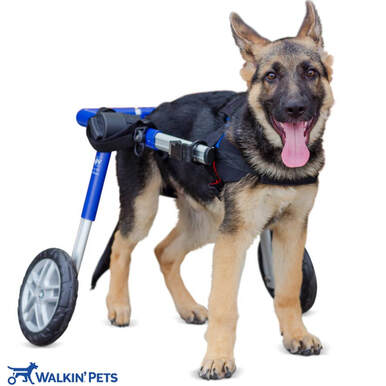
Pet parenting brings immeasurable joy, and for many, dogs are not just companions but cherished family members. When our doggo's face mobility challenges due to injury, post surgery, or aging, it can be a distressing experience for both the pet and their parents. Fortunately, advancements in veterinary and rehabilitation care include innovative solutions like mobility support wheelchairs and carts, designed to enhance the quality of life for dogs facing physical limitations.

Various factors can affect a dog's mobility, ranging from orthopaedic issues and spinal injuries to neurological disorders. Post-injury or post-surgery, dogs may experience difficulty walking or be temporarily immobile. Similarly, aging dogs often face challenges like arthritis or hip dysplasia that can hinder their ability to move freely. In such cases, providing effective mobility support becomes crucial.

Numerous studies emphasise the positive impact of mobility support devices on dogs' physical and psychological well-being. A study published in the Journal of Veterinary Surgery highlighted that dogs using wheelchairs experienced improved muscle mass, reduced muscle atrophy, and enhanced joint flexibility during the recovery period. This evidence underscores the importance of these devices in promoting a faster and more effective rehabilitation process.
Picture

Mobility support devices play a pivotal role in the rehabilitation journey of dogs recovering from surgeries or injuries. A study in the Journal of the American Veterinary Medical Association found that dogs utilising wheelchairs showed a more rapid return to normal activities, contributing to a swifter recovery process. This evidence underscores the significance of these devices in facilitating a dog's return to an active and fulfilling life.

As dogs age, their bodies undergo natural changes, and arthritis becomes a common ailment. Mobility support wheelchairs and carts provide senior dogs with a means to maintain an active lifestyle despite physical limitations. A study published in the Journal of Small Animal Practice revealed that elderly dogs using wheelchairs exhibited increased muscle strength, improved joint function, and a higher quality of life compared to those without mobility support.

Beyond the physical advantages, mobility support devices offer essential psychological benefits to dogs facing mobility challenges. Dogs are social animals that thrive on interaction and outdoor activities. A study in the Journal of Veterinary Behaviour showed that dogs using wheelchairs displayed reduced signs of stress and anxiety, emphasising the positive impact of these devices on a dog's mental well-being.

Not all mobility challenges are the same, and it's crucial to tailor solutions to individual canine needs. Wheelchairs and carts come in various designs to accommodate specific conditions, ensuring a comfortable and personalised fit for each dog. Customisation options, such as adjustable frames and supportive harnesses, contribute to a better overall experience for our doggo friends.

Investing in mobility support wheelchairs and carts for dogs facing post-injury, post-surgery, or senior life challenges is a decision that goes beyond mere convenience; it's a commitment to preserving and enhancing the quality of life for our beloved pets. With evidence-based research demonstrating the physical and psychological benefits of these devices, it's clear that providing mobility support is a compassionate and effective way to ensure that our furry friends continue to lead active, happy lives despite physical limitations. As responsible pet owners, let's embrace these innovative solutions and empower our dogs to move freely, play joyfully, and age gracefully.

If you want to learn more tricks and tips and be involved in a community of like minded individuals, join our facebook group at: ​
Facebook Group
Comments

Navigating Canine Comfort: A  combo approach

1/7/2024

Comments

 
As devoted canine enthusiasts, we understand that our doggos aren't immune to the occasional aches and pains that life throws their way. Whether your doggo is a seasoned athlete or simply enjoying the golden years, managing pain is an important aspect of ensuring their overall well-being. Lets look into the realm of pain management and break down complex concepts into practical insights for both fellow professionals and caring dog owners.

Understanding Canine Pain:
Just like humans, dogs experience pain in various forms, from acute injuries to chronic conditions like arthritis. Recognising signs of discomfort is the first step to effective pain management. Watch for subtle cues such as changes in behaviour, pacing, excessive licking,  limping, decreased activity levels, or reluctance to engage in certain movements.

Tailoring Therapies for Individual Canines:
One size doesn't fit all in the world of canine rehabilitation. As a canine professional or a concerned owner, it's essential to tailor pain management strategies to your dog's specific condition, age, and lifestyle. A collaborative effort between professionals and owners ensures a comprehensive approach that considers the dog's overall health and environment.

Physiotherapy and Exercise:
Physiotherapy plays a pivotal role in pain management. Simple exercises can improve strength, flexibility, and balance, aiding in the recovery process. Canine physiotherapists often design customised exercise regimens that are easy to implement at home. Regular, low-impact activities keep the joints moving and muscles engaged, promoting overall joint health.

Modalities in Pain Relief:
Explore various modalities for pain relief, such as hydrotherapy, massage, laser and heat/cold therapy. Hydrotherapy, in particular, is a canine favourite – a gentle swim or wading through water can do wonders for joint mobility and muscle strength. Massage, when performed correctly, eases muscle tension and enhances circulation, providing natural pain relief.

Pain Medication and Supplements:
While physiotherapy and tailored exercises are invaluable, sometimes additional support is needed. Consult with a veterinarian to explore pain medications or supplements that can complement the rehabilitation process. Understand the importance of the right dosage and potential side effects, and always monitor your dog's response closely.

Picture
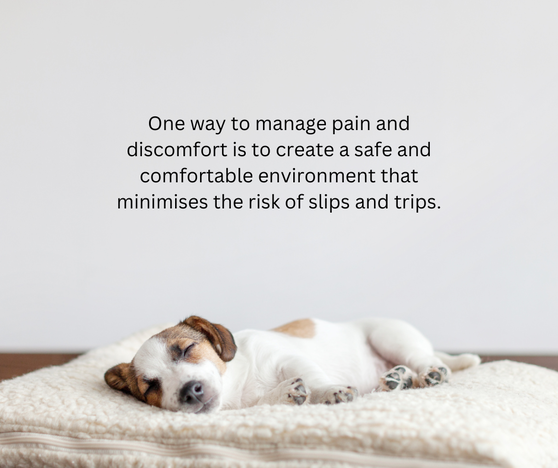
Environmental factors play a role in pain management in dogs
Creating a Comfortable Environment:
Lastly, don't underestimate the impact of your dog's environment on their comfort levels. Provide a cozy bed, consider ramps for access to elevated surfaces, and ensure a warm and draft-free space during colder months. These small adjustments can make a significant difference in your dog's day-to-day comfort.

As professionals who work with dogs or pet owners who care for them, we all want the same thing - to make sure our doggos are healthy and pain-free. However, managing pain and finding an effective strategy isn't always as simple as it may seem, and sometimes a combination of different approaches is necessary to ensure they live their best lives. 
​
If you want to learn more tricks and tips and be involved in a community of like minded individuals, join our facebook group at: ​
FACEBOOK GROUP
Comments

Embracing Life: A Guide to Canine Front Limb Amputation and Rehabilitation Options

12/19/2023

Comments

 
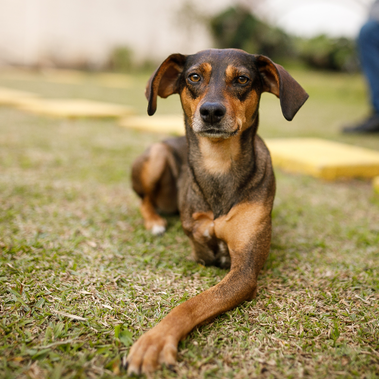
Canine front limb amputation can be a challenging experience for both pet owners and their doggos. However, with the right knowledge and support, a three-legged dog can lead a happy, active life.
​
In this guide, we'll explore some rehabilitation options, lifestyle adjustments, and practical tips to aid and assist your resilient three-legged doggo.
Picture
Front limb amputee dog
Rehabilitation Options
Physiotherapy
Engaging in physiotherapy is crucial for a dog's successful recovery post-amputation.  Some postural adaptations are considered normal, such as the remainder front limb taking up residency more toward the middle of the body,  and other movement patterns that are considered compensatory and need addressing. Sessions that focus on targeted exercises can help improve strength, flexibility, and balance. It is advisable to seek the guidance of a canine rehabilitation specialist or physiotherapist to evaluate the aforementioned adaptations and develop a customised program that caters to the needs of your canine.

Assistive Devices
Explore the use of assistive devices such as orthopaedic braces or custom prosthetics designed specifically for front limb amputees. These devices aid in mobility, providing support and reducing strain on the remaining limbs.
​
Hydrotherapy
Water-based exercises can be highly beneficial for amputee dogs, however, the underwater treadmill is generally not recommended for front-limb amputees.  Other hydrotherapy options such as swimming are better suited and can promote muscle strength without putting excessive pressure on joints. Consulting with a friendly canine physiotherapist or hydrotherapist first will help

Lifestyle Adjustments
Modified Environment
Make your home more accessible by removing obstacles and creating a safe space for your three-legged friend. Ramps and non-slip surfaces can help your dog navigate more comfortably.

Weight Management
Maintaining a healthy weight is crucial for an amputee dog's overall well-being. Use the body condition scale to determine if your dog sits within a healthy weight range and adjust snacks and treats accordingly.

Mental Stimulation
Enrich your dog's life with mental stimulation through interactive toys, puzzle feeders, and engaging activities. Keeping their mind active contributes to a happy and well-adjusted canine companion.

Emotional Support and Monitoring
Patience and Encouragement
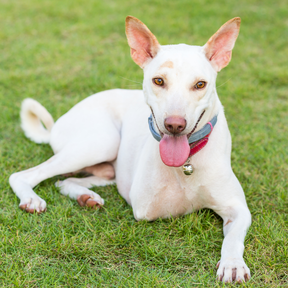
Be patient and supportive during your dog's adjustment period. Encourage their efforts and celebrate small victories. Positive reinforcement helps build confidence and strengthens the bond between you and your furry friend.
Picture
Positive reinforcement helps to build confidence with our three legged doggos
Regular check-ups
Regular checkups with a physiotherapist or friendly veterinarian can help monitor how your doggo is coping and adjusting to a three-legged life.  They also have a wealth of knowledge and can assist and guide you through the entire process and set realistic expectations for you as you move through the journey with your three-legged friend. 

While the journey of adapting to life with a front limb amputation may seem daunting, countless success stories showcase the resilience and adaptability of three-legged dogs. With a combination of rehabilitation, lifestyle adjustments, and unwavering support, your doggo can lead a fulfilling and happy life. Remember, each dog is unique, so tailor your approach based on their individual needs, and embrace the joy of sharing a life with a three-legged doggo.
Comments

Lifting Spirits and Paws; How Canine Lift Assistance Transforms Lives Through Support

12/12/2023

Comments

 
The bond between humans and dogs transcends the ordinary, and in times of need, our doggo friends become more than just companions—they become lifelines. Canine lift assisting is a critical aspect of this symbiotic relationship, offering tangible benefits for injury management and providing invaluable support for senior dogs. Join us on a journey through evidence-based research, unravelling the importance of this practice for both the recovering athlete and the aging canine companion.

Injury Management and Canine Lift Assisting

In the world of sports and physical activity, injuries are inevitable. Whether you're a professional athlete or a weekend warrior, the road to recovery can be challenging. There is no difference between human and canine recovery. Canine lift assisting is a practice gaining recognition for its significant impact on injury management.

Reducing Strain on Muscles and Joints
Canine lift assisting involves the strategic use of a harness or support system, distributing the weight of the injured patient. This not only aids in maintaining proper body mechanics but also reduces strain on muscles and joints during movement. Evidence-based studies have demonstrated the positive effects of such assistance, showcasing faster recovery times and decreased risk of secondary injuries.

Psychological Well-being and Motivation
Beyond the physical aspects, the emotional support provided by a furry friend cannot be overstated. Research has indicated that companionship during rehabilitation positively influences psychological well-being, fostering a motivated mindset crucial for successful recovery.

Canine Lift Assisting in Senior Dogs

As our canine companions gracefully age, they often face challenges similar to those encountered by aging humans. Canine lift assisting becomes an invaluable tool in ensuring the well-being of our senior four-legged friends.

Arthritis Management
Arthritis is a common ailment among senior dogs, causing pain and restricting mobility. Research has highlighted the positive impact of canine lift assisting in managing arthritis symptoms. By providing support and redistributing weight, these systems alleviate pressure on arthritic joints, contributing to an improved quality of life for senior dogs.

Maintaining Muscle Mass and Strength
Aging often leads to muscle atrophy in dogs, affecting their overall strength and stability. Canine lift assisting aids in maintaining muscle mass by facilitating controlled movement, ultimately supporting senior dogs in retaining their strength and mobility for a longer duration.

The Human-Canine Bond; A Therapeutic Force

The emotional connection between humans and dogs is a powerful force, one that extends beyond the realms of simple companionship. This bond becomes a therapeutic tool in itself, fostering an environment conducive to healing and well-being.

Stress Reduction and Anxiety Management
Research consistently demonstrates the stress-reducing effects of interacting with dogs. Incorporating canine lift assistance into recovery routines provides physical support and contributes to anxiety reduction, a crucial factor in the overall healing process.

Enhanced Social Interaction for Seniors
For senior individuals, the companionship of a dog can combat feelings of loneliness and isolation. Canine lift assisting adds an extra layer of connection, encouraging seniors to engage in physical activities with their furry friends and promoting a healthier and more active lifestyle.
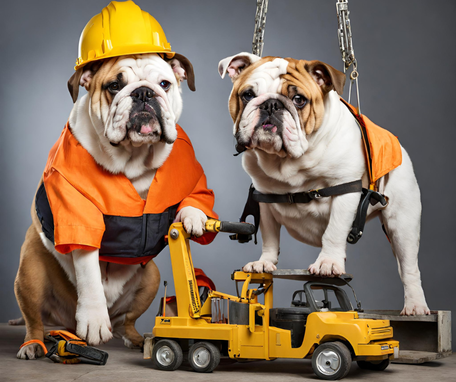
bulldog lift assist
Lift assist makes hard work look easy!
Lift Assisting Options For Everyday Use

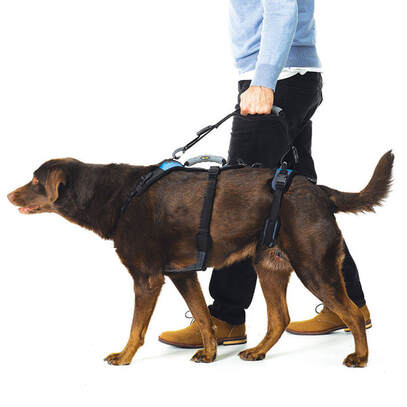
Help ‘Em Up Harness

The Help ‘Em Up Harness is a unique full-body lifting device that assists owners with aging dogs to remain active when arthritis, hip dysplasia, muscle loss, or surgical repair impairs a pet’s mobility and physical strength for everyday functions – from getting up off the floor, up and down the stairs, or in and out of cars.

Veterinarians, neurologists, and nurses use the harness for dogs rehabilitating after surgery or recovering from injuries. By placing a handle over the hips and the shoulders, the Help ‘Em Up harness safely lifts from underneath the torso, allowing you to help your dog get up and overcome the daily obstacles of aging and getting around.

The Help ‘Em Up Harness will also help you lift without stress by using the built-in handles, as the Help ‘Em Up harness is designed to distribute weight over the large support surfaces of the chest and hind quarters. Veterinarians, surgeons, nurses, and rehab specialists find the product to be a useful aid in helping their patients be lifted more comfortably post-surgery and rehabilitated more easily.
Picture
Help 'Em Up Harness
Belly Slings

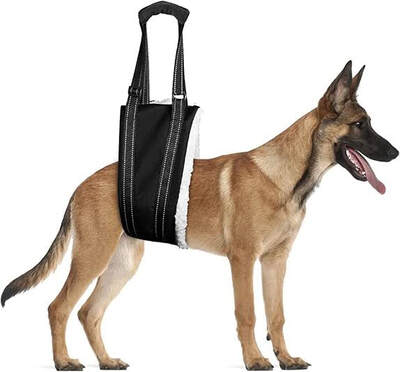
Belly slings for dogs serve as invaluable aids, providing support and assistance to pets with mobility challenges. These slings are designed to cradle the dog's belly, allowing owners to help their furry friends navigate various terrains comfortably. Primarily used for dogs recovering from surgeries, experiencing arthritis, or facing general mobility issues, these slings help distribute weight evenly, reducing strain on the dog's legs and joints.

Constructed from durable and washable materials, belly slings are adjustable to accommodate different dog sizes. The slings typically feature handles for owners to grasp, enabling them to assist their dogs in standing, walking, or climbing stairs. This not only aids in the rehabilitation process but also fosters a sense of security for the canine companions.

The versatility of belly slings extends beyond medical purposes; they can be instrumental in supporting aging dogs, providing a practical solution for pet owners to maintain their dogs' quality of life. As a simple yet effective tool, belly slings contribute to the well-being of dogs, fostering a bond of trust and care between pets and their devoted human companions.
Picture
Petbobi Dog Sling
Ramps

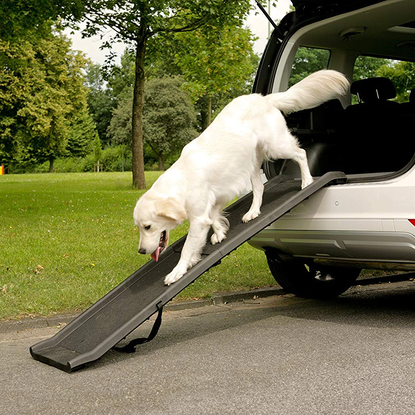
Access ramps for dogs play a crucial role in enhancing mobility and inclusivity for our canine companions. These ramps are specifically designed to provide a gentle incline, allowing dogs of all sizes and abilities to access elevated surfaces with ease. Whether it's helping aging dogs climb into a car or enabling smaller breeds to reach elevated spaces, these ramps contribute to the overall well-being of our furry friends.

One key feature of dog access ramps is their portability. Many ramps are lightweight and foldable, making them convenient for on-the-go use. This ensures that dogs can enjoy various environments without unnecessary strain on their joints or muscles. Additionally, the surface of these ramps is often designed with non-slip materials to prevent accidents and provide a secure grip for the dogs, instilling confidence as they navigate inclines.

Access ramps cater to a diverse range of canine needs, from assisting those with mobility challenges to simply making daily activities more accessible for dogs of all ages. As an indispensable tool in the realm of pet care, dog access ramps exemplify the commitment to fostering a supportive and inclusive environment for our four-legged companions.
Picture
Happy Paws Australia Folding Dog Ramp
The practice of canine lift assisting emerges as a vital and transformative element in the intersection of human and canine well-being. From aiding in injury management for athletes to offering indispensable support for senior dogs, the evidence-based benefits are clear. As we continue to unravel the layers of this symbiotic relationship, it becomes evident that the bond between humans and dogs is not just heartwarming; it's a therapeutic force that contributes significantly to the health and happiness of both parties involved. Let us celebrate the incredible journey of recovery and aging with our doggo companions by our side, lifting us up in more ways than one.

If you want to learn more tricks and tips and be involved in a community of like minded individuals, join our facebook group at: 

Facebook
Comments

Ditch the Ball: Exercise Ideas for Dogs Beyond Ball Games

12/4/2023

Comments

 
Unleashing the boundless energy of our four-legged friends can be a delightful and rewarding experience. While playing fetch with a ball is a classic canine pastime, there are countless other ways to keep your dog active and engaged. In this blog post, we'll explore age-appropriate exercises for puppies, middle-aged, and senior dogs that go beyond the traditional game of fetch. Get ready to witness tails wagging in excitement as we dive into seven different activities for each life stage!
Picture
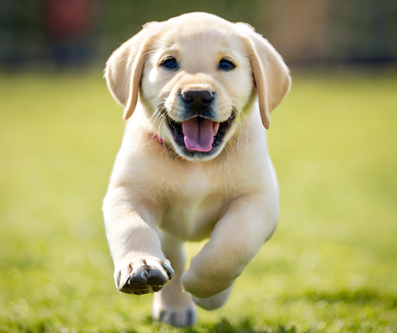
Puppy Playtime (Up to 1 Year):

Puppy Playdates
Organise playdates with other friendly puppies to encourage socialisation. These interactions stimulate physical activity and mental engagement, helping puppies develop crucial social skills.

Agility Training
Set up a mini agility course using lightweight, age-appropriate obstacles. Puppies can weave through poles, jump over low hurdles, and crawl through tunnels to enhance coordination and balance.

Tug-of-War with Puppy Toys
Invest in soft tug toys designed for puppies. Engaging in a gentle game of tug not only provides physical exercise but also strengthens the bond between you and your furry friend.

Interactive Puzzle Feeders
Incorporate mealtime with puzzle feeders that dispense kibble as your puppy solves the puzzle. This mental stimulation is as important as physical exercise for a growing mind.

Hide-and-Seek
Hide treats or toys around your home or in your backyard, encouraging your puppy to use their nose to find hidden treasures. This activity taps into their natural instincts and keeps them mentally active.

Introduction to Water Play
If your puppy enjoys water, introduce shallow kiddie pools for a splashy playtime. Supervised water play is a great way to cool off during warmer days while being gentle on developing joints.
​
Short Leash Walks
Take short, exploratory walks on a leash to introduce your puppy to different scents and environments. Gradually increase the duration as they grow, building stamina and reinforcing leash manners.
Picture
Middle-Aged Marvels (1 to 8 Years):

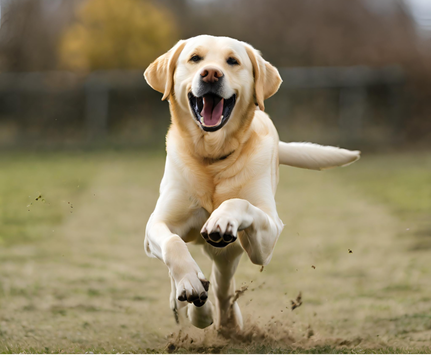
Canine Cardio Circuit
Develop a circuit-style exercise routine by combining activities like short sprints, jumping over low obstacles, and weaving through cones. This dynamic workout enhances cardiovascular health.

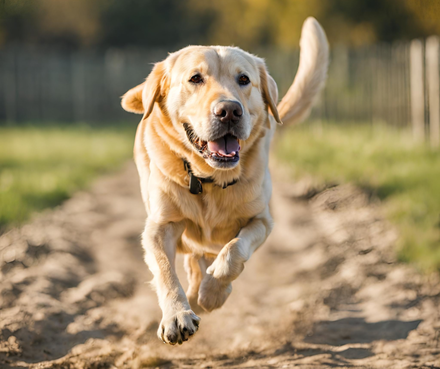
Hiking Adventures
Explore nature trails and hiking paths with your dog. The varied terrain provides an excellent workout, engaging different muscle groups and stimulating their senses with new scents.

Balance Exercises
Use balance pads or cushions to create stability challenges for your dog. These exercises help improve core strength and stability, benefiting their posture and overall well-being.

Canine Fitness Classes
Enrol your dog in a canine fitness class that focuses on strength, balance, and coordination. These classes, often offered by professional trainers, can be tailored to your dog's individual needs.

Canine Parkour
Transform your neighbourhood stroll into a parkour adventure. Encourage your dog to jump over low walls, balance on beams, or navigate through natural obstacles, turning an ordinary walk into a mental and physical workout.

Scent Work Challenges
Create scent trails using treats or toys in your backyard or home. Engaging your dog's sense of smell in this way provides mental stimulation and satisfies their natural hunting instincts.

Yoga Together
Incorporate dog-friendly yoga poses into your exercise routine. Simple stretches and poses can be adapted for your dog to participate, promoting flexibility and relaxation for both of you.
Picture
Senior Citizen Canines (8 Years and Older)

Gentle Water Aerobics
If your senior dog enjoys water, consider gentle swimming or hydrotherapy. Buoyancy reduces stress on aging joints, providing a low-impact yet effective exercise option.

Slow-Paced Nature Walks
Adjust the pace of your walks to accommodate your senior dog's needs. Leisurely strolls allow them to explore their surroundings without overexertion, promoting joint health and mental well-being.

Balanced Diet and Treat Puzzles
Maintain a balanced diet to support your senior dog's changing nutritional needs. Use treat puzzles to keep their minds sharp and provide a tasty reward for mental effort.

Therapeutic Massage Sessions
Learn basic canine massage techniques to soothe achy joints and muscles. Regular massages can improve circulation, reduce stiffness, and enhance the overall well-being of your senior companion.

Gentle Obedience Refresher
Incorporate light obedience training into your routine to keep your senior dog's mind active. This reinforces their training while providing mental stimulation and a sense of accomplishment.

Warm-Up and Cool-Down Routines
Implement gentle warm-up and cool-down routines before and after activities. This helps prevent injuries and ease any discomfort associated with arthritis or age-related conditions.

Adaptive Brain Games
Invest in puzzle toys designed for seniors that cater to their cognitive abilities. These games engage their brains and provide mental stimulation without physical strain.

Dogs of all ages thrive on engaging in activities that cater to their physical and mental well-being. By exploring a variety of exercises beyond the traditional ball-fetching game, you can enhance your bond with your furry friend while promoting a healthy and happy lifestyle. Whether you're raising a spirited puppy, enjoying the prime years with your middle-aged companion, or cherishing the golden moments with a senior dog, these diverse activities ensure that tails keep wagging with joy!

If you want to learn more tricks and tips and be involved in a community of like minded individuals, join our facebook group at: ​
facebook
Comments

FHO case study; a journey using hydrotherapy and gait pattern retraining

11/27/2023

Comments

 
The first time I ever heard about FHO surgery I was shocked to learn of the high success rates for doggo patients who have made the decision to undertake this somewhat radical approach to solving an all too common problem. As a hydrotherapist, planning a recovery program for a dog who has recently completed FHO surgery at first appeared daunting but when you have amazing patients and doggo owners who follow the plan step-by-step, what once appeared as daunting suddenly becomes one of the most rewarding rehabilitation cycles of my career. In this blog, we will dive into FHO surgery, what it entails and the plan towards a successful recovery using both hydrotherapy and physiotherapy as the main focal points on the journey to success.

What is FHO?

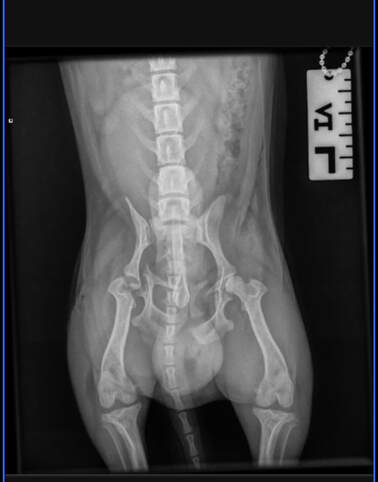
Canine femoral head and neck excision (FHO) surgery is a procedure that addresses hip joint issues in dogs, providing relief and improved mobility.

FHO is commonly performed to alleviate pain and discomfort associated with hip dysplasia, fractures, arthritis, or other conditions affecting the hip joint. It involves the removal of the femoral head and neck, allowing the formation of a "false joint" with surrounding muscles and tissues.

During FHO surgery, the surgery removes the femoral head (the ball part of the ball-and-socket joint) and sometimes the neck of the femur. This eliminates the bone-on-bone contact that causes pain, and the body adapts by forming a pseudo-joint, utilising surrounding muscles for stability.

The Road to Recovery

Every journey starts out best with a proper plan or road map in place so that all parties involved are aware of the recovery process and what steps to take next to ensure the best recovery and rehabilitation possible.

After FHO surgery, dogs will need rest and restricted activity. Pain medications and the beginning of some rehabilitation therapy will also be prescribed to manage discomfort and aid in the recovery process. Controlled exercise is crucial during the recovery phase. Short, on-leash/guided walks can help prevent muscle atrophy and promote joint mobility. Avoiding activities that place excessive strain on the hind legs, such as running or jumping is of the most importance at this early stage.

Most Vets will ask patients to seek a physiotherapist post-surgery to aid and assist in the recovery process. Joint mobilisation exercises, massage and the use of laser therapy will all go a long way to promote strength and flexibility to aid in the recovery process as this is also a crucial time to be aware of potential complications that could quickly derail the road to recovery. These complications, such as infection or persistent lameness, need to be addressed as soon as they are noted and the safest option if there is ever any doubt would be to return to the vet for further review.

As each patient progresses in recovery, the vet may gradually allow increased activity. However, it's essential to remain cautious and avoid pushing your dog too quickly, ensuring a steady and safe return to normal activities. This is the perfect time to add hydrotherapy to your recovery plan to not only continue in aiding the road to recovery but to also help build and manage muscles in the hind limbs and lower back.

Picture
X ray taken pre-FHO

Hydrotherapy Case Study
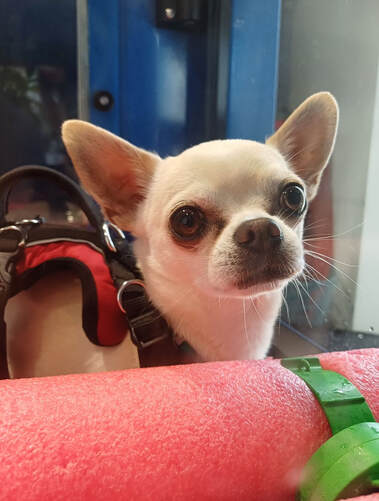
The recent FHO case we worked with in the clinic belonged to a patient who was hit by a minivan and left in a state that can only be described as life-threatening. The patient was a standard breed Chihuahua and he arrived in our care approximately 2 weeks after his FHO surgery. He was, as you can probably expect, cautious of anyone moving or touching his injured leg and due to the nature of his injury, his other hind leg had also been fractured in the accident. A slow and steady initial consultation in the clinic allowed him to gain the trust of not only me as his hydrotherapist, but also allowed him to feel safe and secure in the clinic space. The initial gate assessment and palpation were different to a normal review because again, understandably, the cautious and pain alarm/reaction within this little fighter was well and truly ringing for all to hear.

With some careful placement of his family and the lure of some of our very own hydrotherapy treats, we were able to fit him with a Help ‘Em Up Harness to better control him in the tank space and from there, the trust between the patient and myself as the hydrotherapist began to grow. Prior to the filling of the tank, his LHL was held up in flexion and his balance was poor due to all of the weight being distributed through his other HL. Once the water level reached his mid-thigh, he began to shift his weight laterally onto the operated side and began toe touching. The session began with a slow roll of the treadmill and I allowed him to feel the belt moving under him prior to engaging a cycling of the LHL. At first, again, he was unsure of what was happening. Still, within a matter of 20 seconds, he relaxed his LHL fully and allowed me to cycle further than previous which also included a technique whereby I placed my index fingers to the planter side of his paws and shortened each step by allowing my fingertips to make contact to the belt. From there, the balance of the 2-minute set was spent slowly cycling his legs and for the first time in 2 weeks, he was actually back to walking with an altered gate using all four limbs.

The second set saw a similar result to the first and I made the decision that for his third set I would fill the tank further and allow him to independently swim, whilst being managed using the Help ‘Em Up Harness, to better feel how his operated leg was functioning. Without any hesitation, he freely paddled both FL’s and HL’s together and as the set and session closed, he was well and truly sold on the magic in the water that is hydrotherapy.

We would see this patient twice a week for further sessions and also included laser modalities and home weight-transferring exercises as prescribed by Jo, our physiotherapy guru. This dual approach saw the road map to recovery become all that much clearer for our patient as with each session and week that went by, his gate consistency and strength grew to a point where he was able to freely walk using all 4 limbs with little to no issue. Our session structure began to change approximately 6 weeks after our initial meeting with the focus moving towards gate pattern retraining and also further strengthening to his HL and back by adjusting each session's set time and speed. Utilising a fixed FL stand, we were also able to directly target only the HL in each 2nd set of each session which again helped our patient to grow not only in strength but also in confidence with each visit. We managed him further by spacing out his treatments to weekly, and as of today, he is still on the road to recovery but is a lot further down the track than when we first met. His owner’s initial goal was to have him back to full function, and with this continued hydrotherapy approach, he just might come back better than he ever was before.

Where to from here?


It's impressive to see the positive progress in the Chihuahua's recovery through hydrotherapy after such a traumatic incident. The careful approach, use of the Help 'Em Up Harness, and the gradual introduction of exercises seem to have played a crucial role in building trust and improving mobility. The collaboration with the physiotherapy plan and the integration of laser modalities highlight a comprehensive approach to rehabilitation.

To conclude, canine femoral head and neck excision surgery can significantly improve the quality of life for dogs suffering from hip joint issues. A thoughtful approach to post-surgery care, including rest, controlled exercise, and proper veterinary guidance, is key to a successful recovery. By understanding the procedure and actively participating in your dog's rehabilitation, you can help them regain mobility and enjoy a more comfortable, active life. As always consult with your Vet and canine specialist therapist to tailor the best plan forward to aid in the full recovery of your beloved four-legged doggo!

Picture
If you want to learn more tricks and tips and be involved in a community of like minded individuals, join our facebook group at: 
Facebook Group
Comments
<<Previous
Forward>>

    Author

    Joanna Whitehead

    Archives

    January 2026
    July 2025
    June 2024
    May 2024
    April 2024
    March 2024
    February 2024
    January 2024
    December 2023
    November 2023
    October 2023
    September 2023
    August 2023
    July 2023
    June 2023
    May 2023
    March 2023
    August 2022
    April 2022

    Categories

    All
    Canine Physiotherapist
    Care And Guidance
    Front Limb Injuries
    Hydrotherapy
    Myofascial Pain In Dogs
    Neurological Conditions
    Orthopaedic Condition

    RSS Feed

Powered by Create your own unique website with customizable templates.
  • Home
  • Services
    • Canine Physiotherapy
    • Canine Hydrotherapy
    • Physiotherapy Techniques/Modalities
    • Custom Orthoses & Braces
    • Wheelchair Assessments and Fittings
  • About
  • Contact
  • Book Now
  • Blog