
|
Canine front limb amputation can be a challenging experience for both pet owners and their doggos. However, with the right knowledge and support, a three-legged dog can lead a happy, active life. In this guide, we'll explore some rehabilitation options, lifestyle adjustments, and practical tips to aid and assist your resilient three-legged doggo. 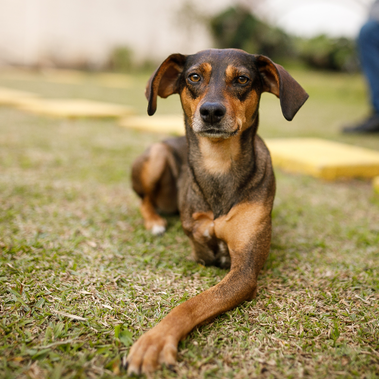 Front limb amputee dog Rehabilitation Options Physiotherapy Engaging in physiotherapy is crucial for a dog's successful recovery post-amputation. Some postural adaptations are considered normal, such as the remainder front limb taking up residency more toward the middle of the body, and other movement patterns that are considered compensatory and need addressing. Sessions that focus on targeted exercises can help improve strength, flexibility, and balance. It is advisable to seek the guidance of a canine rehabilitation specialist or physiotherapist to evaluate the aforementioned adaptations and develop a customised program that caters to the needs of your canine. Assistive Devices Explore the use of assistive devices such as orthopaedic braces or custom prosthetics designed specifically for front limb amputees. These devices aid in mobility, providing support and reducing strain on the remaining limbs. Hydrotherapy Water-based exercises can be highly beneficial for amputee dogs, however, the underwater treadmill is generally not recommended for front-limb amputees. Other hydrotherapy options such as swimming are better suited and can promote muscle strength without putting excessive pressure on joints. Consulting with a friendly canine physiotherapist or hydrotherapist first will help Lifestyle Adjustments Modified Environment Make your home more accessible by removing obstacles and creating a safe space for your three-legged friend. Ramps and non-slip surfaces can help your dog navigate more comfortably. Weight Management Maintaining a healthy weight is crucial for an amputee dog's overall well-being. Use the body condition scale to determine if your dog sits within a healthy weight range and adjust snacks and treats accordingly. Mental Stimulation Enrich your dog's life with mental stimulation through interactive toys, puzzle feeders, and engaging activities. Keeping their mind active contributes to a happy and well-adjusted canine companion. Emotional Support and Monitoring Patience and Encouragement Be patient and supportive during your dog's adjustment period. Encourage their efforts and celebrate small victories. Positive reinforcement helps build confidence and strengthens the bond between you and your furry friend. 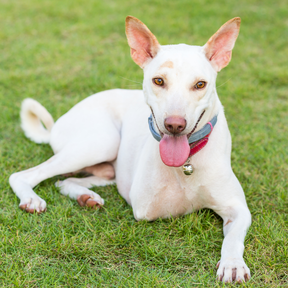 Positive reinforcement helps to build confidence with our three legged doggos Regular check-ups
Regular checkups with a physiotherapist or friendly veterinarian can help monitor how your doggo is coping and adjusting to a three-legged life. They also have a wealth of knowledge and can assist and guide you through the entire process and set realistic expectations for you as you move through the journey with your three-legged friend. While the journey of adapting to life with a front limb amputation may seem daunting, countless success stories showcase the resilience and adaptability of three-legged dogs. With a combination of rehabilitation, lifestyle adjustments, and unwavering support, your doggo can lead a fulfilling and happy life. Remember, each dog is unique, so tailor your approach based on their individual needs, and embrace the joy of sharing a life with a three-legged doggo. As a canine physiotherapist, I see many injuries and pathologies in dogs ranging from spinal disease to hip dysplasia to ACL injuries. One injury that tends to alarm doggo owners more so than others is a condition called carpal hyperextension. What is Carpal Hyperextension? Carpal hyperextension, also known as "dropped wrist" or "down pastern," is a condition that affects a dog's front legs. This occurs when the carpus, which is the equivalent of the human wrist in dogs, extends beyond its normal range, causing instability and discomfort. In simple terms, it's like a dog's wrist bending backward more than it should and the supporting ligaments can become lengthened and stretched. A normal wrist has straight upright legs while a hyperextended wrist is flatfooted in appearance. Causes of Carpal Hyperextension
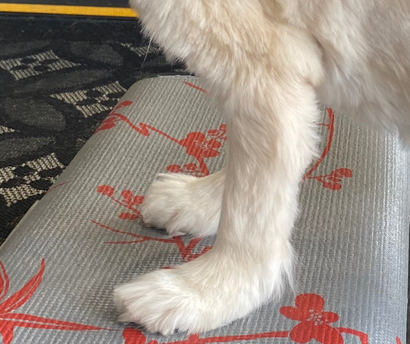 Carpal Hyperextenson Signs and Symptoms Identifying carpal hyperextension in doggos is the first step towards addressing the issue. Keep an eye out for the following signs:
Treatment Options As a canine physiotherapist, my primary goal is to help doggos regain their mobility and comfort. Treatment depends on the severity of the condition but here are some treatment options for carpal hyperextension:
Preventing Carpal Hyperextension Prevention is always better than cure. To minimise the risk of carpal hyperextension in doggos, consider the following:
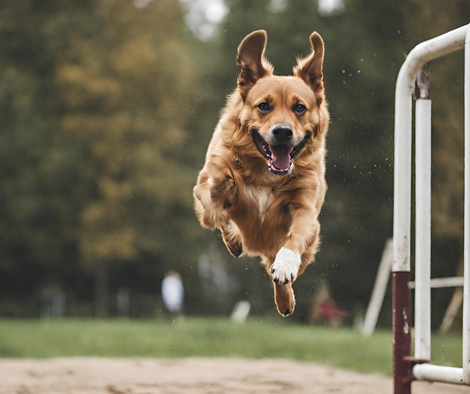 Protecting the wrist joint (carpus) from over use or acute injuries such as jumping or repetitive chasing will help to prevent carpal hyperextension Carpal hyperextension can be a challenging condition, but with the right guidance, it's possible to manage and let dogs go on to lead a full and happy life. Remember, early detection and proper treatment can make a world of difference. If you suspect your dog is suffering from carpal hyperextension, don't hesitate to reach out to a canine physiotherapist or veterinarian for assistance. If you want to learn more tricks and tips and be involved in a community of like minded individuals, join our facebook group below: Greyhounds are known for their remarkable speed and agility, as well as their gentle temperament, making them a popular choice for many pet owners, especially when they take up residence on the couch! Although Greyhounds are less susceptible to developing CCL injuries or other acute orthopaedic injuries than other breeds, there is a common problem that often goes unnoticed but can cause severe lameness: the development of corns on their paw pads. This can be a painful condition that is often compared to the feeling of having a stone in your shoe while walking. Lets take a closer look at what these ‘corns' are, how to identify them, and how to treat them effectively. 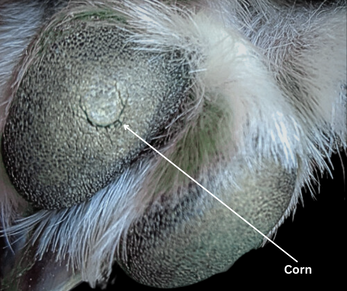 Causes: Corns in Greyhounds are hard, painful growths that typically appear on the paw pads. The exact cause of corns remains elusive, but several factors are believed to contribute:
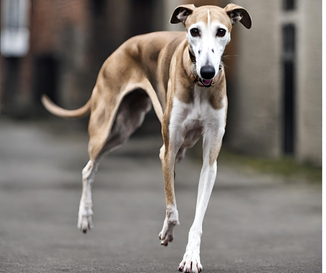 Abrasive surfaces like concrete can exacerbate the formation of corns over time Symptoms: Corns are a painful and distressing challenge for Greyhounds, emphasising the importance of early symptom recognition for timely intervention. These common indicators include acute lameness, with affected Greyhounds often favoring the afflicted paw; this lameness can vary in severity and may come and go. Upon close inspection of the paw pads, a characteristic hard, discolored, circular growth is often visible, confirming the presence of a corn. Applying direct pressure to these corns can elicit a pain response, further establishing them as a source of discomfort. In response to this pain, Greyhounds may engage in excessive licking or chewing of their paws in an attempt to alleviate their distress. Treatment Options Treating corns in Greyhounds can help relieve their pain and restore their mobility. Here are some treatment options to consider:
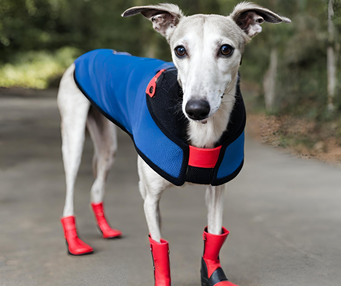 protective footwear can be an option for management of corns Prevention:
Maintaining the paw health of your Greyhound involves a proactive approach to prevent the development of corns. Several key preventative measures should be considered. Firstly, regular paw care is essential; frequent inspections of your Greyhound's paw pads help in the early detection of corns or any signs of damage. Secondly, proper conditioning of the paw pads is crucial, as keeping them moisturised and well-conditioned can help prevent excessive dryness, which is a contributing factor to corn formation. Additionally, weight management plays a significant role in preventing corns, as maintaining a healthy weight reduces the pressure exerted on the paw pads during physical activities. Lastly, it's advisable to choose walking surfaces carefully; whenever possible, opt for softer terrains like grass or sand, which can reduce the risk of corn development by minimising the abrasive effects on your Greyhound's paws. Corns can be a painful and debilitating condition for Greyhounds, causing acute lameness and distress. If you suspect your Greyhound has developed a corn, seek veterinary care promptly. By understanding the causes, recognising the symptoms, and exploring treatment options, you can help your doggo regain their agility and comfort, ensuring they continue to enjoy their active lifestyle. |
AuthorJoanna Whitehead Archives
June 2024
Categories
All
|
 RSS Feed
