
|
Bringing a new puppy into your life is an exciting adventure filled with joy and boundless energy. While you enjoy watching your pup explore the world with eagerness, it's essential to maintain a balance between letting them be active and ensuring their physical development progresses in the right direction. A common concern that new puppy owners have is 'How much exercise should my pup get?' The response is not as straightforward as you may think. There are some generic 'rules' still circulating out there, such as '5 minutes of exercise for each month of age,' which fails to consider the type of workout, the breed characteristics of the dog, their behavior and health, and of course, the adjustment of exercise as you go. Understanding Puppy Development Puppies undergo rapid growth during their early months, with their bones, muscles, and joints developing at an astonishing pace. While exercise is vital for their overall health, it's important to be mindful of the types and amounts of activities you introduce, as excessive or inappropriate exercise can lead to serious musculoskeletal issues. The Importance of Controlled Exercise It's important to note that puppies are not miniature adults. Their growing bodies are more susceptible to injuries caused by excessive stress. Overexertion, repetitive high-impact activities, or vigorous play can harm their developing joints and lead to problems like growth plate injuries and joint dysplasia. To ensure your puppy's healthy growth, here are some guidelines to consider: 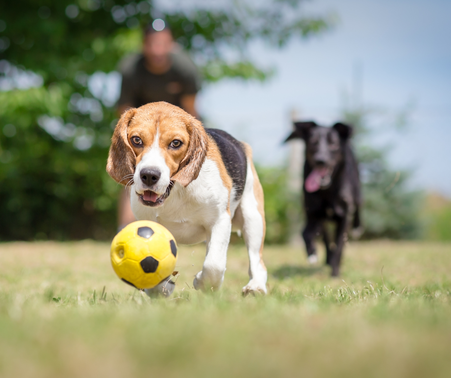 Repetitive high impact activities can be harmful to your growing pup 1. Age Matters:
Puppies under 3 months have delicate skeletal structures. They require short bursts of gentle play and supervised exploration rather than strenuous exercise. 2. Avoid Forced Exercise: Personally, I recommend that puppies should not engage in high-impact jumping or chasing activities like repetitively chasing a ball until their growth plates are fully developed. For toy and miniature breeds, growth plates can close between 6-8 months of age and for giant and large breeds; 14-16 months of age. Even then I still believe that there are other, more beneficial forms of exercise to do than repetitively throwing a ball which can lead to microtrauma to muscles and cartilage, 3. Low-Impact Activities: Opt for activities that promote balance, coordination, and controlled movement, such as slow leash walks or interactive play. Even off-leash time at the park with other dogs to wander and wrestle is advised over chasing a ball repetitively. Seeking Expert Advice As a loving and responsible puppy owner, you want what's best for your four-legged companion. When it comes to managing your puppy's exercise routine, seeking professional advice can make all the difference: 1. Consult a Veterinarian: Schedule a visit for a comprehensive health check and to discuss your puppy's exercise needs based on their breed, size, and overall health. 2. Engage a Canine Physiotherapist: A certified canine physiotherapist can assess your puppy's individual needs, offer tailored exercise plans, and provide guidance on promoting balanced growth. 3. Breed-Specific Considerations: Different breeds have varying exercise requirements. Research your puppy's breed characteristics and consult experts familiar with those breeds. 4. Monitor Behaviour and Health: Pay attention to signs of fatigue, limping, or reluctance to exercise. These could indicate that your puppy has had enough activity for the day. 5. Adjust Exercise as Needed: Be flexible in adjusting the exercise routine based on your puppy's energy levels, growth progress, and any recommendations from experts. Your puppy's journey to adulthood is an exciting chapter that requires careful guidance and nurturing. Striking the right balance between allowing them to explore their world and protecting their developing bodies is key. By understanding the importance of controlled exercise, seeking professional advice, and prioritising your puppy's well-being, you're setting the stage for a lifetime of happiness, health, and vitality. Remember, a healthy and balanced approach to exercise today can lead to a stronger, happier, and more resilient canine companion tomorrow. As a dedicated canine physiotherapist, I am passionate about helping dogs live their best lives. One of the most fundamental aspects of a dog's well-being is often overlooked: maintaining a healthy weight. Weight management affects dogs’ overall health and longevity, as it does in humans. This blog will discuss the importance of weight management for dogs and the importance of education when it comes to this topic. 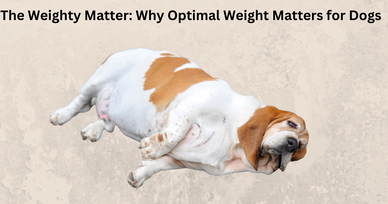 41% of dogs in Australia are either overweight or obese (The Australian Veterinary Association 2020) The Weighty Matter: Why Optimal Weight Matters for Dogs Obesity in dogs has become a concerning epidemic in recent years. According to the Association for Pet Obesity Prevention, an estimated 59% of dogs (and interestingly 61% in cats in the USA) were classified as overweight or having obesity in 2022. This excess weight can lead to a multitude of health issues, from joint problems to cardiovascular diseases. As a canine physiotherapist, I have witnessed firsthand how maintaining an optimal weight can significantly improve a dog's quality of life. Joint Health and Mobility: Lighter Load, Happier Joints Research consistently shows that carrying excess weight puts a strain on a dog's joints, leading to conditions like osteoarthritis. A study published by Marshall et al 2010 found that obese dogs with osteoarthritis had noticeable improvement in their lameness after weight loss in the region of 6.10 – 8.85% of the dogs' body weight. Obesity can also put strain on ligaments such as the cranial cruciate ligament and predispose dogs to rupture or tears with obese canines being four times more likely to rupture a cruciate than non-obese ones! We can then conclude that lighter dogs experience less joint stress, allowing them to move with greater ease and comfort. Cardiovascular Health: A Healthy Heart on Four Paws Just like in humans, obesity in dogs can lead to cardiovascular complications. A study conducted by the University of Liverpool found that one in five obese dogs have metabolic syndrome and concluded that this 'syndrome occurs when a number of health problems, such as increased blood glucose and increased cholesterol levels, develop together, with the potential to increase the risk of other diseases, such as cardiovascular disease and diabetes.' Obesity not only affect the heart but also has an impact on the overall vitality of the dog. Maintaining a healthy weight reduces the risk of heart-related problems and keeps your canine companion active and full of energy. Lifespan and Longevity: Trim the Fat, Add Years to Their Lives Several studies have shown a direct link between a dog's weight and its lifespan. A groundbreaking research article published in the Journal of the American Veterinary Medical Association reported that dogs maintained at an ideal body condition lived an average of 1.8 years longer than their overweight counterparts. Those extra years are precious moments of companionship, joy, and shared experiences. The Holistic Approach: Combining Nutrition and Exercise Weight management isn't solely about reducing the number on the scale; it's about embracing a holistic approach that combines nutrition and exercise. Work closely with your treating health care provider to develop a tailored diet plan that meets your dog's nutritional needs without overindulgence. Incorporate regular exercise into your dog's routine, focusing on activities that match their age, breed, and physical condition. 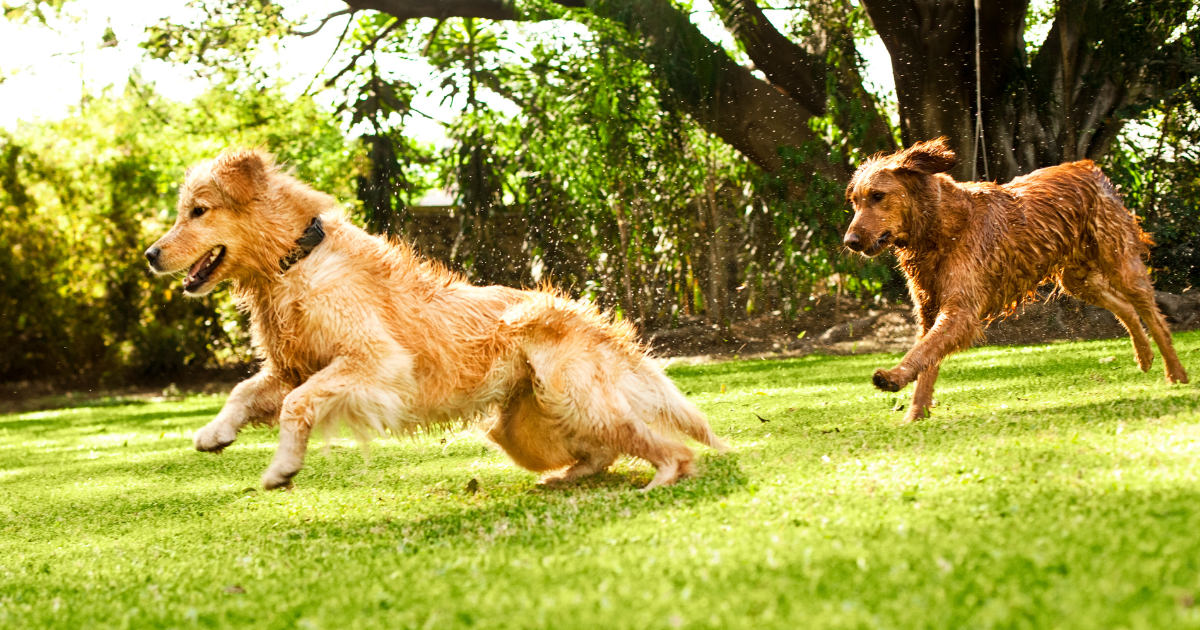 A tailored exercise regime will help combat canine obesity A Lighter Future for a Brighter Life As a passionate advocate for canine well-being, I urge every dog owner to prioritise weight management. A few extra kilos might seem insignificant, but the implications for your dog's health and happiness are profound. Joint health, cardiovascular wellness, and increased lifespan are all within your reach when you commit to maintaining your doggo at an optimal weight. Incorporate regular veterinary check-ups and consult with a canine physiotherapist to create a tailored weight management plan that addresses your dog's individual needs. By investing in their well-being today, you're ensuring a vibrant and fulfilling tomorrow. References: Marshall, W. G., Hazewinkel, H. A. W., Mullen, D., De Meyer, G., Baert, K., & Carmichael, S. (2010). The effect of weight loss on lameness in obese dogs with osteoarthritis. Veterinary Research Communications, 34(3), 241–253. Published online 2010 Mar 17. doi: 10.1007/s11259-010-9348-7 Salt, C., Morris, P. J., Wilson, D., Lund, E. M., & German, A. J. (2019). Association between life span and body condition in neutered client‐owned dogs. Journal of Veterinary Internal Medicine, 33(1), 89–99. Published online 2018 Dec 11. doi: 10.1111/jvim.15367 Tvarijonaviciute, A., Ceron, J. J., Holden, S. L., Cuthbertson, D. J., Biourge, V., Morris, P. J., & German, A. J. (2012). Obesity-related metabolic dysfunction in dogs: a comparison with human metabolic syndrome. BMC Veterinary Research, 8, 147. Published: 28 August 2012. doi: 10.1186/1746-6148-8-147 Arthritis affects millions of dogs worldwide and is something that I see, as a physiotherapist, on the regular in practice. Symptoms range from slow to rise, avoidance of certain tasks such as jumping up on the couch, changes in behaviour, lameness and many more. The continuous search for effective treatment options has led to the development of Beransa (known as Librela overseas) which has finally made it's way to Australia shores and is currently being used to treat pain in arthritic dogs. So what exactly is Beransa? Beransa, delivered as a once monthly subcutaneous injection, delivers a big boost of monoclonal antibodies - a type of immune system protein. In a simplistic way, the monoclonal antibodies go on to mimic naturally occurring antibodies and begin to block pain signals due to it's unique ability to attach to nerve growth factor. Nerve growth factor is an essential protein which is important for growth and survival of sensory nerves (which needs to attach to it's receptor on a nerve cells to transmit pain signals) and voila, just like that the nerve cannot attach to nerve growth factor to transmit it's pain signal because the monoclonal antibody has decided to take up residency and couple with nerve growth factor instead.  When did Beransa become available in Australia?
Beransa was first made available in Australia this year (2023) (and in Europe in 2021) and is a fairly new addition to the treatment of OA pain in dogs. Since its introduction, veterinarians and pet owners have been in favour of it due to it's reported low adverse reaction rate. What is the cost of administration? The cost of administering Beransa can vary depending on the dog's size, the severity of arthritis, and the chosen treatment plan. As with any specialised medication, dog owners should consult their veterinarian to determine the most suitable dosage and duration of treatment for their pet. Beransa can be a tad more expensive compared to some common traditional treatments. Are there any potential side effects? Like any medication, Beransa may have some potential adverse effects on dogs. However, research has shown that these adverse effects are generally mild and well-tolerated. The most common adverse events reported include urinary tract infections, bacterial skin infections, dermatitis, and increased blood urea nitrogen. Beransa should also not be administered to breeding, pregnant or lactating dogs. What is the research saying? In two field studies, dogs administered Beransa as a monthly injection demonstrated a reduction in OA pain compared to dogs that received the placebo and by reducing pain, Beransa was also shown to help their mobility and overall quality of life (corral et al 2022) While effectiveness may not be seen until after the second dose of Beransa, some dogs may experience a reduction in pain as early as seven days after the first dose. Additionally, in a continuation study, dogs treated with Beransa experienced lasting OA pain relief over the course of the study with monthly injections (Corral et al 2022) European veterinarians who have used Beransa rated their overall satisfaction 8.6 out of 10, the highest of any OA pain medication evaluated (ZMR 2022) Beransa, represents a promising breakthrough in the treatment of canine arthritis and offers hope for significantly improving the comfort and well-being of arthritic dogs by reducing pain associated with arthritis. With it's relatively low reported adverse reaction/ side effects and overall high satisfaction rates by veterinarians, Beransa is fast becoming a favourite in treating OA pain in dogs. References: Corral, M. J., et al. (2021). A prospective, randomized, blinded, placebo-controlled multisite clinical study of bedinvetmab, a canine monoclonal antibody targeting nerve growth factor, in dogs with osteoarthritis. Veterinary Anaesthesia and Analgesia, 48, 943-955. U.S. Food and Drug Administration (FDA). (2023, May 5). FDA Approves First Monoclonal Antibody for Dogs with Osteoarthritis Pain. Retrieved May 13, 2023. As pet owners, we always want our furry friends to be safe and comfortable, especially in our homes. However, when it comes to slippery floors, our dogs may struggle to maintain their footing, putting them at risk of injuries. As dogs age, they may experience mobility issues such as arthritis or hip dysplasia, which can make it difficult for them to stand up, walk, or climb stairs. Additionally, some dogs may have an underlying medical condition that causes them to slip or drag their paws, leading to falls and injuries. Luckily, there are several anti-slip methods that you can employ to help your furry friend navigate slippery floors without slipping or sliding. 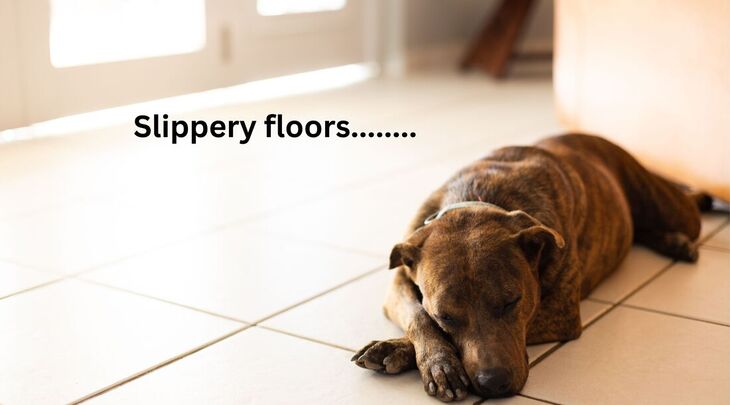 slippery floors can be an issue for dogs as they can struggle to maintain their footing, putting them at risk of injuries. Use Rugs or Mats One of the easiest and most effective ways to create an anti-slip surface for your dog is by using rugs or mats. Place them strategically in areas where your dog frequently walks, such as hallways or in front of doors. Make sure that the rugs or mats are non-slip and have a rubber backing to keep them securely in place. 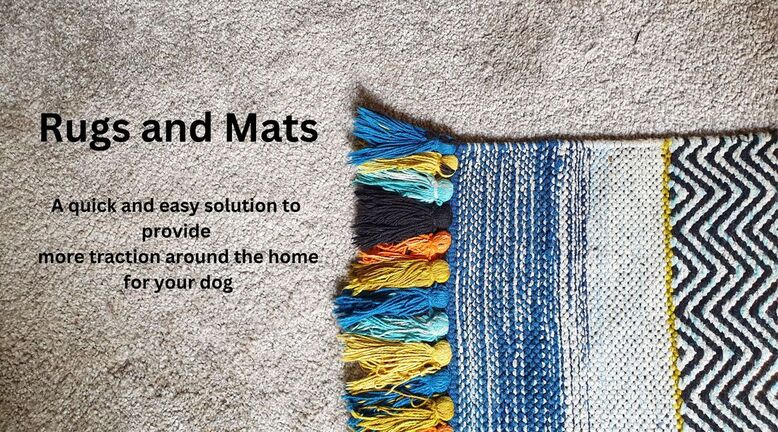 Rug and mats can be a quick and easy solution to slippery floors Apply Anti-Slip Traction Products There are various traction products designed to improve the grip of your dog's paws on slippery surfaces such as; i) Paw pads, like rubber booties. They can be a little difficult to get on and have limited durability when worn outside on the pavement but they can provide good grip on wooden floor boards or other smooth surfaces. Unfortunately your dog can't have these on 100% of the time so if this is the option you want to try you will need to structure timed intervals when wearing them. ii) Paw grips, such as Dr Buzby’s toe grips. These are little rubber rings that are applied to your dog's nails to provide extra grip. Unlike the rubber booties, once you properly put these on the nail they can be left on 100% of the time. Regular checking of the placement of the toe grip is recommended incase they ride up towards the nail bed. iii) You can also try applying paw wax or balm to your dog's paws, or use a product called PawFriction which can provide a non-slip surface that grips the floor. Make sure if you do want to go for this method, that you choose something that is non toxic and that your dog doesn’t chew or swallow any of the product which can be a bit of a risk. 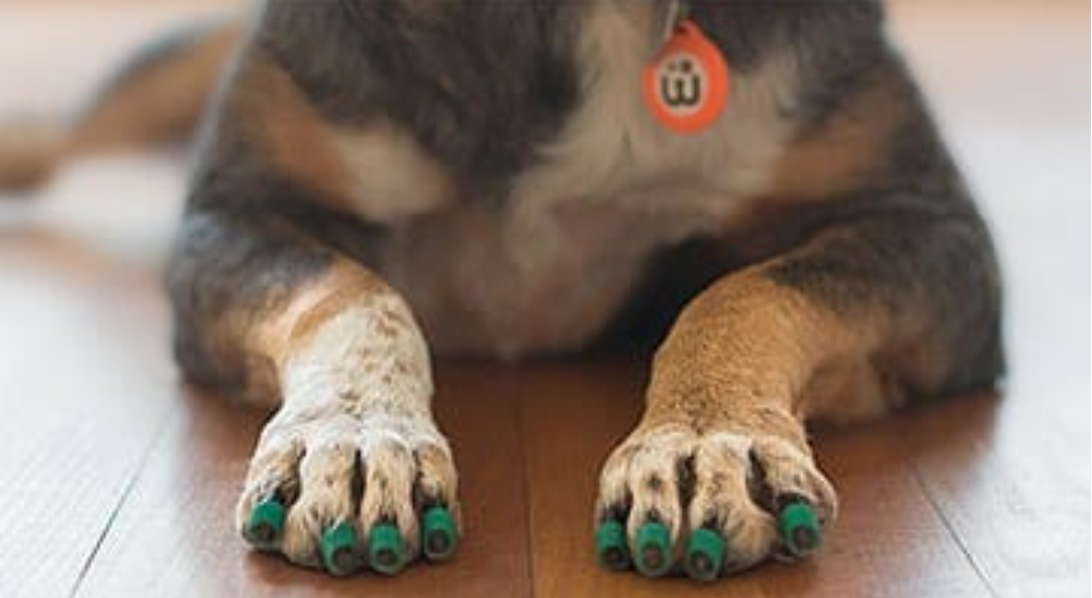 Dr Buzby's toe grips; cited from www.toegrips.com Try Nail Trimming Long nails can make it harder for your dog to grip the floor, so keeping them trimmed can help improve traction. Regular nail trimming is crucial, especially for dogs with long nails or those with paw deformities that affect their grip on surfaces and don’t forget to trim the hair back between the pads too! I am a big advocate for keeping nails short! If you want to give nail trimming a go yourself I recommend the Millers Forge nail clippers and then to use a Dremel to round off the edges for a smooth finish. If you want to read more about how to trim a dogs nail, head over to the face book page ‘nail maintenance for dogs’ where you will find some handy tips and guidance. 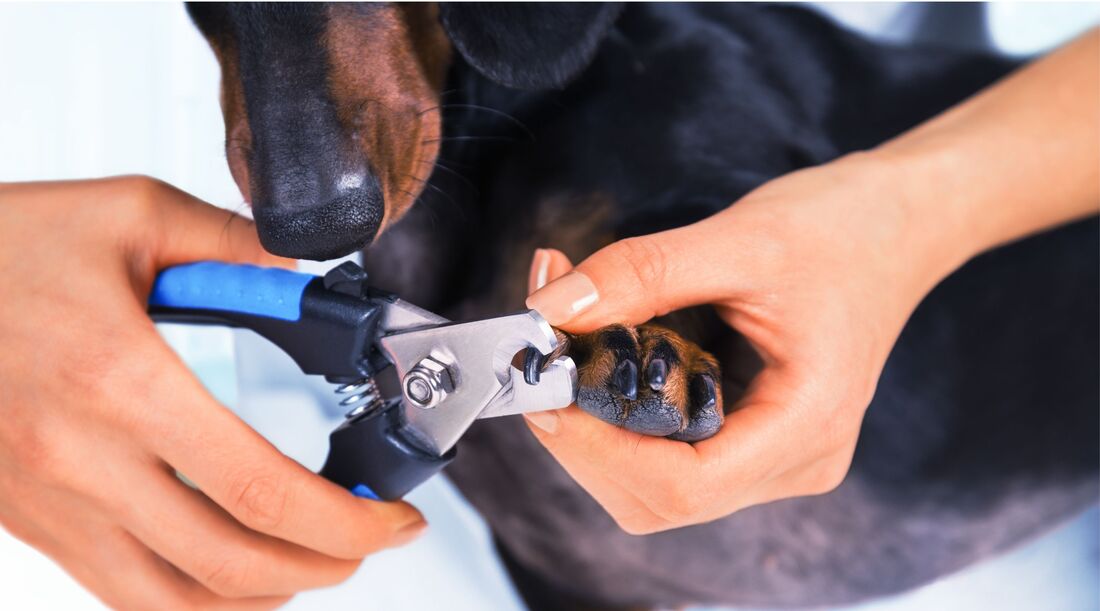 Long nails can make it harder for your dog to grip the floor Use Yoga Mats Another effective anti-slip method is using yoga mats. You can place them in areas where your dog frequently walks or sleeps, such as on their bed or in their crate. Yoga mats offer a comfortable surface for your furry friend and also provide traction, reducing the risk of slipping. 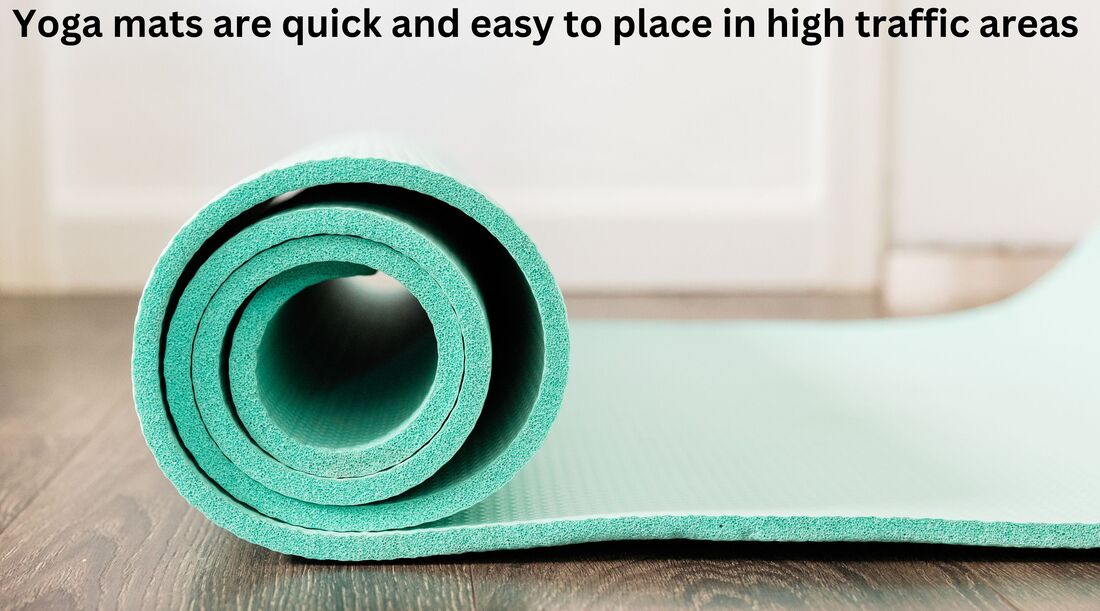 Yoga mats are a quick and inexpensive way to provide more traction for your dog Slippery floors can be a safety hazard for dogs, but there are various anti-slip methods that you can use to help your furry friend navigate them safely. My personal preference is to change the environment with mats or yoga mats and give a good nail trim however it's important to find a solution that works best for your dog's needs. Always ensure that the method you choose is safe and comfortable for your furry friend AuthorJoanna Whitehead; Physiotherapist, Canine Physiotherapist & Hydrotherapist |
AuthorJoanna Whitehead Archives
May 2024
Categories
All
|
 RSS Feed