
|
My parents are from a generation where they’ll innocently ask “What do you want to be when you grow up!?” I’ve listened intently to our children answer this question over the years and from time to time, I find myself shocked at their responses. From basketball players and artists to scientists and student support assistants, their answers change yearly based on their current passions. 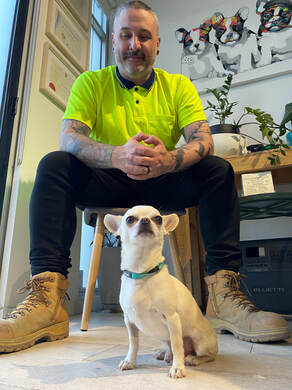 Until 2015, I only knew of Hydrotherapy for two reasons. Reason one was the 80’s classic movie Cocoon starring Steve Gutenberg which told the story of 3 men in a retirement village who suddenly discovered the fountain of youth in their local pool when an alien inadvertently laid an egg in the filtration system! Reason two was having watched seniors at the local swimming centre going through gentle exercises whilst immersed in the warmth of the water and watching their eyes sparkle as the literal weight of the world was lifted from their shoulders between our kids’ swimming lessons on Saturday mornings. By March of 2015, I would be joining those seniors for 6 months of Hydrotherapy after rupturing my Achilles tendon playing American Football for my beloved Western Crusaders. It’s quite humbling to be the youngest in the water at 35 years old when most of the other participants were well into their mid to late 70s and to hear the calls of “here comes the young buck” from a group of men whom I would go on to call “The Gentlemen!” “The Gentlemen” were a mixed bag of men from all walks of life who would meet 3 times a week to soak and work in the warmth of the water to help ease the burden of years of mistreatment and physical labour on their bodies. Unlike the ladies class in the lap pool that had a set sequence of movements (and reminded me a lot of the 5:30 am Aerobics Oz Style show that used to be on Channel 10 every morning) “The Gentlemen” would slowly walk around the Hydrotherapy pool gently rotating every joint in their bodies while openly discussing the sad and horrible state of the Carlton Football club. One of “The Gentlemen” would always say as he made his way past me towards the exit of the pool, “There’s magic in the water young buck!” and there really, truly was for him. His carefree and free-flowing movement in the water would slowly disappear as he emerged onto the steps and back to the pool deck. I would watch in disbelief as he shuffled towards his shoes and bag and walked towards the exit because of the difference the “magic in the water” made to his mobility. I had opted for a non-surgical recovery from my injury and the work I did in the water as well as Physiotherapy, dry needling and 100’s of hours ice rolling paid dividends when after 9 months of grinding 4-5 days a week, I was finally able to walk freely and wear 2 matching shoes again. The time I had spent recovering from the injury as well as the therapy to rebuild the wasted calf and surrounding muscles had given me an apprenticeship I didn’t even know I signed up for and when the opportunity to study Hydrotherapy came along in 2021, I was more than ready to dive head first into the deep and and see what new tricks this “young buck” could learn! 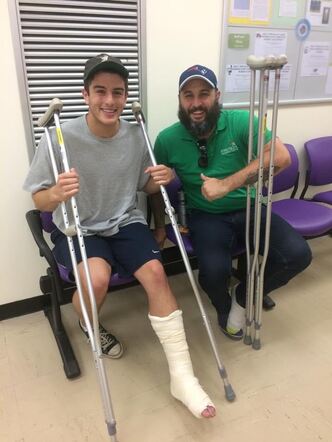 I met my now wife, the wise and wonderful Joanna Whitehead, in 2015 during my injury recovery when she used to volunteer as a medic for our football team and our paths would cross again in 2018 when I was working on a building site near her work where she was working as a Physiotherapist in and around the NICA school in Prahran. The rest as they say is history but meeting Jo would not only lead to the pathway we now find ourselves on together but also to an opportunity to work side by side in service to the canine community, here in metropolitan Melbourne. Jo had moved to Australia in 2008 with the mindset of diversifying from the human world of Physiotherapy and adding either equine or canine practice to her skill set but it wouldn’t be until 2018 when we met again and she told me of her dream to own and operate a business serving the needs of canines in not only Physiotherapy but also other modalities like Hydrotherapy that I began to recall my own recovery story over one of our many coffee dates not far from where our clinic operates today. She had been studying prior to the madness of 2020 and was ready to launch Canine Kinetics when the entire world shut down but for anyone who knows Jo, her patience knows no limits and when the clinic finally opened in 2021, my new pathway appeared. I often helped Jo in those first chaotic months as a spare set of hands in the clinic whenever I had a chance and was away from the wonderful world of joinery. I was the pool guy in charge of all things water, the towel guy in charge of drying patients post-session and even the phone guy who would help clients navigate their way through bookings and it was safe to say, the work we did was a far cry from the work I was used to. The feeling of joy watching doggos improving with each session filled me with satisfaction beyond just being the pool, towel or phone guy and it was late one night as we closed up the clinic when Jo suggested I take the leap and register to study as a Canine Hydrotherapist. I graduated from high school in Adelaide in 1998 and went on to complete my apprenticeship as a cabinetmaker/joiner in 2003 but since that time, I had never even thought twice about studying or furthering my education so the initial jump was met with this instant realisation that I was starting my new journey from a long way back. I had never shown a great deal of interest in science classes at school and when given the opportunity to remove science from my syllabus, I quickly opted for an arts and technology path which meant all things biology and anatomy were not only foreign to me but also there was no base information to work up from or recall. I had been working since completing my apprenticeship as a cabinet maker in multiple facets of the building industry and had found a real love for the front end of the joinery world working closely with clients to achieve their cabinetry dreams, one box, room or project at a time. I had worked for years on high-rise apartment projects, lux and ultra high-end architectural builds, overseas manufacturing processes and even camper vans and caravan’s so the daunting task of learning the structure and function of the canine anatomy was truly a process I found challenging. The course was filled with so much information that at times I was worried I’d bitten off more than I could chew but as the course progressed, the module and class structures along with some wonderful hands-on help from Jo saw me begin to weave the moving parts together and before long I was happily feeding my brain with structures and processes that would culminate with my graduation in 2022 and the beginning of my practice as a qualified Canine Hydrotherapist. The young buck not only loves his new vocation in the world of Hydrotherapy but also decided to return to the well of knowledge and as of 2024 will be able to offer our wonderful patients further insight into their fur babies with the completion of a course in Canine Behaviour, Training and Psychology. My love for not only the patients we service through the clinic but to the greater dog community as a whole has grown beyond comprehension but I am truly honoured to be a part of this amazing industry and when you hear me say during a session “there’s magic in the water” you’ll know the road I’ve travelled to get here has been one with more twists than usual but a journey that was well worth the time in the drivers seat. I look forward to many years ahead of working in this wonderful space and look forward to meeting as many of you as possible to help not only grow our community but to also never stop working for our doggos on their path towards recovery and the life they truly deserve. See you in the tank! Matt PS: I can now finally answer the question the next time my parents ask our kids about their hopes and dreams! Now that I’m grown up, I work with dogs and bring as much happiness and love to their lives as I can. AuthorMatthew Ireland - Canine Hydrotherapist Greyhounds are known for their remarkable speed and agility, as well as their gentle temperament, making them a popular choice for many pet owners, especially when they take up residence on the couch! Although Greyhounds are less susceptible to developing CCL injuries or other acute orthopaedic injuries than other breeds, there is a common problem that often goes unnoticed but can cause severe lameness: the development of corns on their paw pads. This can be a painful condition that is often compared to the feeling of having a stone in your shoe while walking. Lets take a closer look at what these ‘corns' are, how to identify them, and how to treat them effectively. 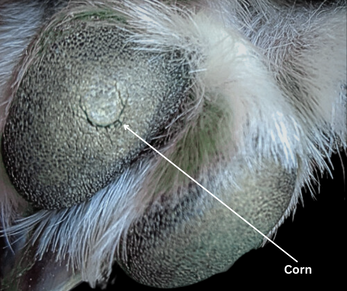 Causes: Corns in Greyhounds are hard, painful growths that typically appear on the paw pads. The exact cause of corns remains elusive, but several factors are believed to contribute:
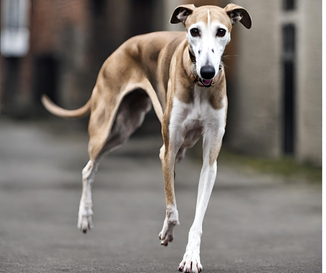 Abrasive surfaces like concrete can exacerbate the formation of corns over time Symptoms: Corns are a painful and distressing challenge for Greyhounds, emphasising the importance of early symptom recognition for timely intervention. These common indicators include acute lameness, with affected Greyhounds often favoring the afflicted paw; this lameness can vary in severity and may come and go. Upon close inspection of the paw pads, a characteristic hard, discolored, circular growth is often visible, confirming the presence of a corn. Applying direct pressure to these corns can elicit a pain response, further establishing them as a source of discomfort. In response to this pain, Greyhounds may engage in excessive licking or chewing of their paws in an attempt to alleviate their distress. Treatment Options Treating corns in Greyhounds can help relieve their pain and restore their mobility. Here are some treatment options to consider:
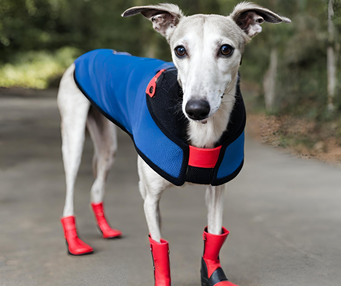 protective footwear can be an option for management of corns Prevention:
Maintaining the paw health of your Greyhound involves a proactive approach to prevent the development of corns. Several key preventative measures should be considered. Firstly, regular paw care is essential; frequent inspections of your Greyhound's paw pads help in the early detection of corns or any signs of damage. Secondly, proper conditioning of the paw pads is crucial, as keeping them moisturised and well-conditioned can help prevent excessive dryness, which is a contributing factor to corn formation. Additionally, weight management plays a significant role in preventing corns, as maintaining a healthy weight reduces the pressure exerted on the paw pads during physical activities. Lastly, it's advisable to choose walking surfaces carefully; whenever possible, opt for softer terrains like grass or sand, which can reduce the risk of corn development by minimising the abrasive effects on your Greyhound's paws. Corns can be a painful and debilitating condition for Greyhounds, causing acute lameness and distress. If you suspect your Greyhound has developed a corn, seek veterinary care promptly. By understanding the causes, recognising the symptoms, and exploring treatment options, you can help your doggo regain their agility and comfort, ensuring they continue to enjoy their active lifestyle. Deciding between a collar and a harness can be a common dilemma for any dog owner. Each option has its own set of advantages and disadvantages, even when the collar of the harness has been fitted properly. Making the right choice depends on several factors, including your dog's size, breed, behaviour and intended use.
Collars for Dogs Pros:
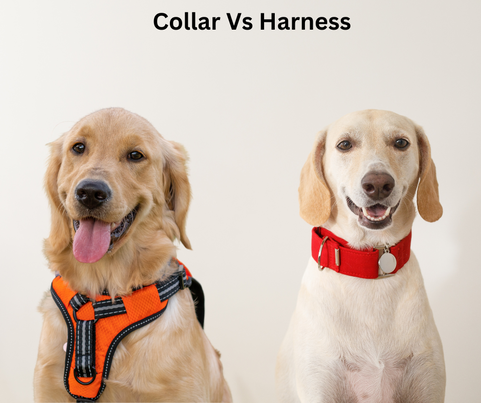
Harnesses for Dogs Pros:
Anatomical Consideration Understanding your dog's anatomy is crucial when deciding between a collar and a harness:
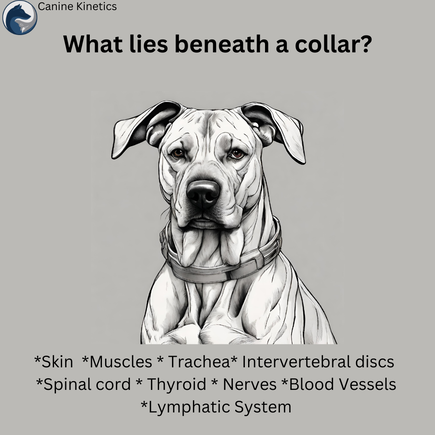 The choice between a collar and a harness for your dog should depend on your dog's individual needs, size, breed, and behaviour. For most dogs, a harness provides a safer and more comfortable option for both walking and general use. However, collars may be appropriate for specific training purposes or for dogs that tolerate them well. Regardless of your choice, always ensure that the equipment fits properly and is comfortable and if you are ever in doubt, have a chat to your friendly veterinarian or canine physiotherapist. As a physiotherapist, I understand the significance of recognising and addressing postural adaptations, especially in our canine amputees. There are several reasons for postural adaptations, such as injury or trauma, muscle weakness and imbalance, and to alleviate pain and discomfort, to name a few. These adaptations can significantly affect a dog's overall function and well-being. Dogs cannot express their pain or discomfort in words, making it a challenge to diagnose and treat their specific needs. In this blog post, we will specifically discuss the various postural adaptations that occur in dogs following front-limb and hind-limb amputations. We will also explore how the field of physiotherapy can play an indispensable role in their road to recovery. Postural Adaptations in Front Limb Amputees: Losing a limb is a significant change for any dog. However, dogs usually adapt quickly after removing a limb, especially younger ones. But younger dogs have to spend the rest of their lives adjusting and potentially overusing their remaining limbs to compensate. On the other hand, older dogs may not adapt as fast, but they have a shorter period to adjust their posture and experience less load through the remaining limbs. In cases of front limb amputation, dogs tend to shift 14% of their weight into the remaining front leg and 17% into their hind end (Jarvis et al 2013.) This adaptation can lead to an increased strain on the remaining carpus joint (equivalent to the wrist joint,) which can flatten out and become extended over time. This condition is called carpal hyperextension. 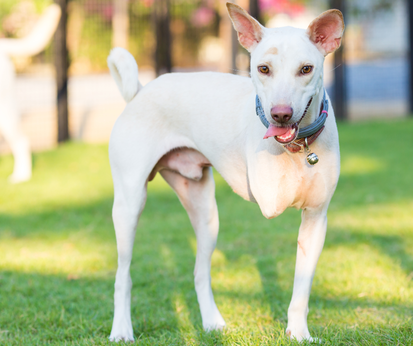 Front Limb Amputee: note how the remainder front limb has a great upright carpus with no signs of hyperextension in standing As a canine physiotherapist, my role is to address these postural adaptations and create customised exercises to strengthen the remaining limbs and improve balance. My focus is different for each dog but generally my exercises aim to encourage weight shifting, boost core stability, and refine proprioception. Along with exercises, manual hands on techniques such as massaging and stretching to address tight and over worked muscles is equally important in the amputee dog. With a front limb amputee, you may notice a more pronounced head bob up and down to compensate for the missing front limb. This can lead to muscle imbalances or tightness in these areas as they rely more heavily on their remaining limbs. Massage or stretching exercises aim to alleviate tension and improve range of motion in these areas of interest. Postural Adaptations in Hind Limb Amputees: Hind limb amputees face unique postural challenges. After losing a hind limb, dogs tend to shift their weight forward onto their front limbs, especially the diagonal front limb from the amputated side. Studies suggest this weight shift can be as high as 33% (Fuchs et al 2013,) leading to muscle imbalances and potential joint issues over time. To compensate for the loss, dogs may adopt a crouched posture or lean to one side during movement, which can cause dysfunctional spinal movement, affecting their gait and balance. 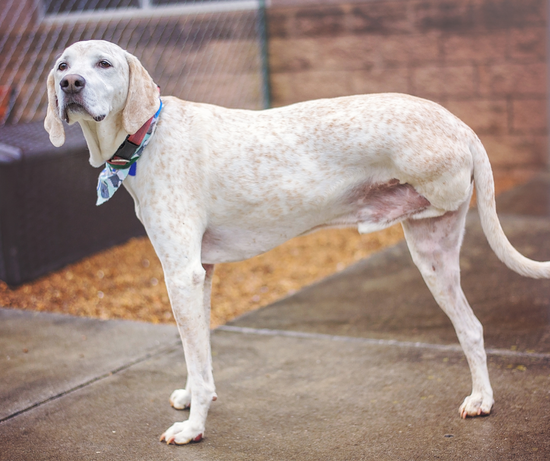 Hind Limb Amputee: Note this dogs' relatively good spinal alignment As with a front limb amputee, the treatment approach for hind limb amputees focuses on fortifying the remaining hind limb, improving weight distribution, and promoting proper alignment during gait.
Strengthening the core muscles is a vital aspect of rehabilitation for hind limb amputees. These muscles play a crucial role in maintaining stability and providing support during movement. I often use a myriad of exercises to engage the abdominal and deep back muscles to support and improve overall balance and stability. Proprioception training is equally important. Proprioception is the body's ability to sense its position in space, which may be compromised in amputee dogs. These exercises challenge the dog's balance and coordination, progressing from basic postural sets to advanced dynamic exercises as the dog improves. The role of assisted devices: Assistive devices, like braces or prosthetics, can be game-changers for some dogs. They provide extra support and stability and improve the dog's overall gait pattern, reducing strain on the remaining limbs. However, their use requires a judicious assessment and ongoing monitoring by a qualified physiotherapist to ensure proper fitting, adjustments, and regular follow-ups. Physiotherapy and quality of life: Postural adaptations in canine amputees can profoundly impact their overall quality of life. Physiotherapy can improve their mobility and well-being by addressing these adaptations through a curated blend of targeted exercises, manual therapy techniques, and the strategic use of assistive devices. Physiotherapists work with dog owners, educating them about their pet's condition, teaching them how to perform exercises at home, and providing guidance throughout the rehabilitation journey. Understanding and addressing postural adaptations in canine amputees is critical to their rehabilitation and overall well-being. Physiotherapy interventions focus on strengthening the remaining limbs, enhancing weight distribution, fine-tuning alignment during gait, and harnessing the potential of assistive devices. By partnering closely with owners and implementing a comprehensive rehabilitation program, dogs can regain their independence and experience an enhanced quality of life. Jarvis, S. L., Worley, D. R., Hogy, S. M., Hill, A. E., Haussler, K. K., & Reiser, R. F. 2nd. (2013). Kinematic and kinetic analysis of dogs during trotting after amputation of a thoracic limb. American Journal of Veterinary Research, 74(9), 1155-1163. doi:10.2460/ajvr.74.9.1155. Fuchs, A., Goldner, B., Nolte, I., & Schilling, N. (2014). Ground reaction force adaptations to tripedal locomotion in dogs. Veterinary Journal, 201(3), 307-315. doi:10.1016/j.tvjl.2014.05.012. Insights from a Canine Physiotherapist Canine rehabilitation and physiotherapy have seen a lot of innovative advancements in recent times. One such tool is the underwater treadmill, which is fast becoming a staple in the physiotherapists clinic. The underwater treadmill offers a wide range of advantages that can help dogs regain their strength and mobility. As a canine physiotherapist, I've seen the impact of underwater treadmill therapy firsthand. Lets take a look into the many advantages it offers to our doggo's overall wellbeing. Understanding the Underwater Treadmill The underwater treadmill is a fairly impressive piece of equipment designed with the well-being of dogs in mind. It's a treadmill submerged in a tank of warm water, usually to the tune of 32deg celcius with the depth of the water and the treadmill's speed adjustable to meet the unique needs of each dog. 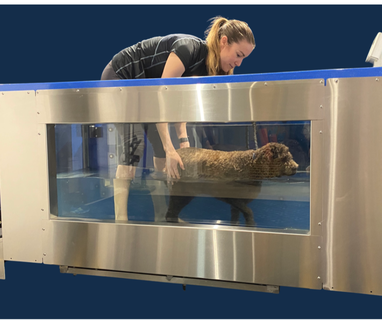 The underwater treadmill in action! Benefits of Underwater Treadmill Therapy
Canine rehabilitation therapists and physiotherapists often make use of the underwater treadmill, which is a highly versatile and therapeutic tool. It offers a low-impact workout that can help improve the health and well-being of dogs, whether they are recovering from surgery, managing a chronic condition, or simply looking for a great fitness routine. With an underwater treadmill, dogs can exercise in a safe and comfortable environment, making it a highly effective solution. As our doggos grow older, they enter a new phase of life that requires somewhat, a little TLC. We have all seen it growing up; Nan or Grandpa slowly slowing down before our eyes and just as humans experience changes as they age, so do our dogs. In this post, I have put together a few tips and tricks to think about and to guide you through the process of caring for your senior dog and helping you provide them with the best possible quality of life during their golden years. But first things first, we need to understand with dogs, what is considered ' senior.' Understanding the Aging Process Determining when a dog is considered 'old' or 'senior' is not as straightforward as one might think. The aging process of dogs varies depending on their breed and size. The old way of multiplying a dog's age by seven to determine their equivalent human age is not accurate. However, as a general guideline, we can consider the following: 1. Small Breeds: Dogs weighing under 9 KG are often considered seniors at around 10-12 years of age. 2. Medium Breeds: Medium-sized dogs typically become seniors around 8-10 years old. 3. Large and Giant Breeds: Larger dogs may be considered seniors as early as 6-7 years old. 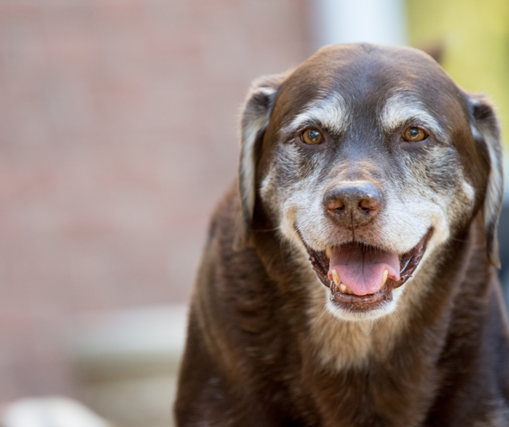 The aging process varies depending on the breed and size of the dog. Taking care of your senior dog is crucial to ensure they stay healthy and happy during their later years. Here are my top 10 tips for nurturing your aging dog: 1. Regular Vet Check-Ups: Just like humans need regular check-ups, senior dogs also require them to maintain good health and detect any medical issues early on. Your vet can advise you on vaccinations, dental care, and overall health management. Tip: It's important to talk to your veterinarian about getting blood tests and screenings for common ailments like kidney disease, diabetes, and thyroid issues. 2. Nutrition & Diet: When it comes to the diet and nutrition of senior dogs, it's important to consult a vet or a nutritionist. They can help you choose a diet that meets your dog's specific nutritional needs. Senior dogs often require lower-calorie diets (as they tend to be less active in their golden years) and require supplements to support their joint health. It's beneficial to look for foods that contain high-quality protein sources and Omega-3 fatty acids, as these can help with their overall well-being. Tip: You can promote joint health in your senior dog by feeding them foods that contain glucosamine and chondroitin sulphate. A supplement that I often recommend is 4 cyte. 3. Maintain a Healthy Weight (Prevent Joint Stress): Excess weight can exacerbate joint issues, leading to discomfort and reduced mobility. Monitor your dog's weight and adjust their diet and exercise accordingly. Your veterinarian or physiotherapist can help you determine their ideal weight. Tip: Measure your dog's food portions to control calorie intake, and avoid feeding table scraps. 4. Exercise and Mobility (Stay Active, Stay Healthy): Senior dogs benefit from regular, low-impact exercise to keep their joints and muscles in good shape. Consult with a canine physiotherapist to design a tailored exercise program that takes into account their age, breed, and any pre-existing conditions. Walks, gentle play, and short swims are great options. Tip: Choose exercise times when the temperature is comfortable to avoid overheating or joint strain. If your dog enjoys going to the park but can be a bit overwhelmed with the commotion of all the other dogs off-leash running around, choose a time of day when the park is a little quieter. 5. Pain Management (Ensure Comfort): Aging dogs may experience arthritis or other chronic pain conditions. Discuss pain management options with your veterinarian, including medications and therapies like acupuncture. Other physiotherapy treatments like massage, cupping and mobility exercises can also help manage pain and can improve your dog's quality of life. Tip: Pay attention to signs of pain, such as limping, excessive panting, reluctance to move, avoidance of normal day-to-day tasks or changes in behaviour. 6. Hydrotherapy and underwater treadmill (Swim for Health): Hydrotherapy, such as swimming or underwater treadmill, can provide an excellent low-impact exercise option for senior dogs. It not only helps improve mobility by unloading joints but it also relieves joint pain. Consider enrolling your dog in hydrotherapy or underwater treadmill sessions at a canine physiotherapist or rehabilitation centre. Tip: If you decide to swim your dog out in nature at the beach or lake, consult with a physiotherapist to ensure safety comes first. Your dog may need a floatation jacket to help assist them in the water. 7. Environmental Modifications (Create a Senior-Friendly Home): Make your home senior-dog-friendly by adding non-slip flooring, ramps for easier access to furniture and vehicles, and comfortable bedding to support their mobility. Consider elevating their food and water bowls to reduce strain on their neck and back. Some senior dogs may benefit from assistance devices or harnesses such as a help-em-up harness or a belly sling to help support them with tasks such as standing from lying and going up and down stairs. Tip: Use rugs, yoga mats or carpets to provide traction on slippery floors. If this is not possible, consider non-slip socks or toe grips to help give your dog more stability on slippery floor boards or polished tiles. 8. Mental Stimulation (Keep Their Minds Sharp): Just like physical health, mental health is essential for your senior dog. Keep them mentally sharp with puzzle toys and interactive games to combat cognitive decline. Short training sessions can also be enjoyable for both you and your dog. Tip: Rotate toys regularly to keep them engaged. If you find your dog can be a little destructive with their toys, consider a hardy toy like 'Kong.' 9. Regular Grooming (Maintain Comfort and Health): Older dogs may have difficulty grooming themselves properly. Regular brushing of their coat and maintaining their dental health can prevent discomfort and health issues. Long nails can be painful and can contribute to tripping on slippery floors so keep them trimmed as well. Tip: Brushing also helps distribute natural oils and keeps the coat healthy. 10. Quality Time (The Gift of Companionship): Finally, spend quality time with your senior dog. Their companionship is invaluable, and your attention can alleviate anxiety or loneliness. Gentle petting, cuddling, and simply being there for them can make all the difference in their emotional well-being. Tip: Older dogs may need more frequent bathroom breaks, so be attentive to their needs. As your dog grows older, it's important to adjust your care routine to cater to their evolving needs. By providing them with proper nutrition, exercise, and attention to their physical and emotional well-being, you can help your doggo enjoy a comfortable and satisfying life. Working alongside a canine physiotherapist and veterinarian can ensure that you give your senior dog the best care possible, allowing them to age gracefully and continue being the beloved member of your family that they've always been. Your commitment to their well-being will be repaid with the love and companionship of a happy and content senior dog. Low-level laser therapy is fast becoming a heavy player in the veterinary and animal physiotherapy world as an alternative or complementary treatment. Nowadays, dog owners are searching for the best treatment available to enhance their dogs' quality of life, and low-level laser therapy is a great option. It's a non-invasive, painless approach to pain treatment that helps support the healing process. Let's explore the uses and benefits of LLLT for our dogs in need What Is LLLT? Low-Level Laser Therapy, also known as cold laser, is a medical treatment that uses low-intensity lasers or light emitting diodes (LEDs) to stimulate healing and reduce pain at the cellular level. Unlike surgical lasers that use heat to cut or burn tissue, LLLT uses near infrared light to target specific areas of the body without damaging surrounding tissue. 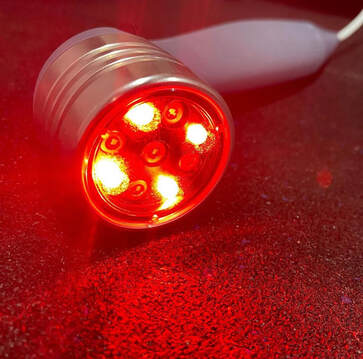 Low Level Laser Therapy How Does LLLT Work for Dogs? LLLT (Low-Level Laser Therapy) operates on a cellular level. The photons of light it emits are directed towards the mitochondria of the cells, which are the energy powerhouses responsible for producing cellular energy. In simple terms, LLLT is similar to the way plants use UV light to photosynthesize and create energy for themselves. This interaction enhances cellular function, leading to a range of therapeutic benefits for dogs. LLLT Benefits:
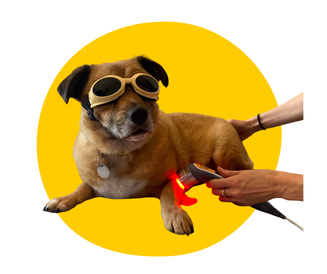 Low Level Laser Application Interesting Facts and Research Findings
Low-Level Laser Therapy is an effective treatment option that holds great promise in the field of canine physiotherapy. As a non-invasive, painless, and scientifically validated approach to pain management, inflammation reduction, and tissue regeneration, LLLT has the potential to improve the lives of our canine companions significantly. *Always consult with a qualified canine physiotherapist or veterinarian before starting any treatment, including LLLT, for your dog. They can provide personalised recommendations and ensure that LLLT is used safely and effectively to address your dog's specific needs. Barale, L., Monticelli, P., & Adami, C. (2023). Effects of low‐level laser therapy on impaired mobility in dogs with naturally occurring osteoarthritis. Veterinary Medicine and Science, 9(2), 653–659. https://doi.org/10.1002/vms3.997 Bringing a new puppy into your life is an exciting adventure filled with joy and boundless energy. While you enjoy watching your pup explore the world with eagerness, it's essential to maintain a balance between letting them be active and ensuring their physical development progresses in the right direction. A common concern that new puppy owners have is 'How much exercise should my pup get?' The response is not as straightforward as you may think. There are some generic 'rules' still circulating out there, such as '5 minutes of exercise for each month of age,' which fails to consider the type of workout, the breed characteristics of the dog, their behavior and health, and of course, the adjustment of exercise as you go. Understanding Puppy Development Puppies undergo rapid growth during their early months, with their bones, muscles, and joints developing at an astonishing pace. While exercise is vital for their overall health, it's important to be mindful of the types and amounts of activities you introduce, as excessive or inappropriate exercise can lead to serious musculoskeletal issues. The Importance of Controlled Exercise It's important to note that puppies are not miniature adults. Their growing bodies are more susceptible to injuries caused by excessive stress. Overexertion, repetitive high-impact activities, or vigorous play can harm their developing joints and lead to problems like growth plate injuries and joint dysplasia. To ensure your puppy's healthy growth, here are some guidelines to consider: 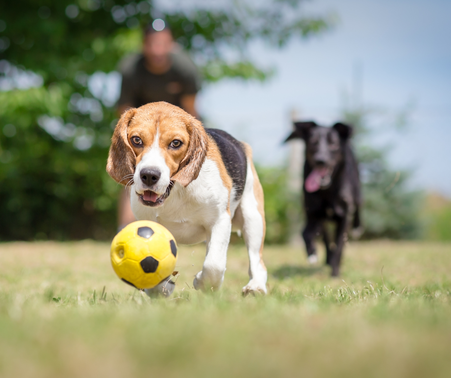 Repetitive high impact activities can be harmful to your growing pup 1. Age Matters:
Puppies under 3 months have delicate skeletal structures. They require short bursts of gentle play and supervised exploration rather than strenuous exercise. 2. Avoid Forced Exercise: Personally, I recommend that puppies should not engage in high-impact jumping or chasing activities like repetitively chasing a ball until their growth plates are fully developed. For toy and miniature breeds, growth plates can close between 6-8 months of age and for giant and large breeds; 14-16 months of age. Even then I still believe that there are other, more beneficial forms of exercise to do than repetitively throwing a ball which can lead to microtrauma to muscles and cartilage, 3. Low-Impact Activities: Opt for activities that promote balance, coordination, and controlled movement, such as slow leash walks or interactive play. Even off-leash time at the park with other dogs to wander and wrestle is advised over chasing a ball repetitively. Seeking Expert Advice As a loving and responsible puppy owner, you want what's best for your four-legged companion. When it comes to managing your puppy's exercise routine, seeking professional advice can make all the difference: 1. Consult a Veterinarian: Schedule a visit for a comprehensive health check and to discuss your puppy's exercise needs based on their breed, size, and overall health. 2. Engage a Canine Physiotherapist: A certified canine physiotherapist can assess your puppy's individual needs, offer tailored exercise plans, and provide guidance on promoting balanced growth. 3. Breed-Specific Considerations: Different breeds have varying exercise requirements. Research your puppy's breed characteristics and consult experts familiar with those breeds. 4. Monitor Behaviour and Health: Pay attention to signs of fatigue, limping, or reluctance to exercise. These could indicate that your puppy has had enough activity for the day. 5. Adjust Exercise as Needed: Be flexible in adjusting the exercise routine based on your puppy's energy levels, growth progress, and any recommendations from experts. Your puppy's journey to adulthood is an exciting chapter that requires careful guidance and nurturing. Striking the right balance between allowing them to explore their world and protecting their developing bodies is key. By understanding the importance of controlled exercise, seeking professional advice, and prioritising your puppy's well-being, you're setting the stage for a lifetime of happiness, health, and vitality. Remember, a healthy and balanced approach to exercise today can lead to a stronger, happier, and more resilient canine companion tomorrow. As a dedicated canine physiotherapist, I am passionate about helping dogs live their best lives. One of the most fundamental aspects of a dog's well-being is often overlooked: maintaining a healthy weight. Weight management affects dogs’ overall health and longevity, as it does in humans. This blog will discuss the importance of weight management for dogs and the importance of education when it comes to this topic. 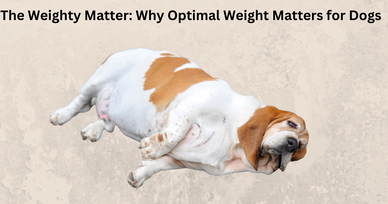 41% of dogs in Australia are either overweight or obese (The Australian Veterinary Association 2020) The Weighty Matter: Why Optimal Weight Matters for Dogs Obesity in dogs has become a concerning epidemic in recent years. According to the Association for Pet Obesity Prevention, an estimated 59% of dogs (and interestingly 61% in cats in the USA) were classified as overweight or having obesity in 2022. This excess weight can lead to a multitude of health issues, from joint problems to cardiovascular diseases. As a canine physiotherapist, I have witnessed firsthand how maintaining an optimal weight can significantly improve a dog's quality of life. Joint Health and Mobility: Lighter Load, Happier Joints Research consistently shows that carrying excess weight puts a strain on a dog's joints, leading to conditions like osteoarthritis. A study published by Marshall et al 2010 found that obese dogs with osteoarthritis had noticeable improvement in their lameness after weight loss in the region of 6.10 – 8.85% of the dogs' body weight. Obesity can also put strain on ligaments such as the cranial cruciate ligament and predispose dogs to rupture or tears with obese canines being four times more likely to rupture a cruciate than non-obese ones! We can then conclude that lighter dogs experience less joint stress, allowing them to move with greater ease and comfort. Cardiovascular Health: A Healthy Heart on Four Paws Just like in humans, obesity in dogs can lead to cardiovascular complications. A study conducted by the University of Liverpool found that one in five obese dogs have metabolic syndrome and concluded that this 'syndrome occurs when a number of health problems, such as increased blood glucose and increased cholesterol levels, develop together, with the potential to increase the risk of other diseases, such as cardiovascular disease and diabetes.' Obesity not only affect the heart but also has an impact on the overall vitality of the dog. Maintaining a healthy weight reduces the risk of heart-related problems and keeps your canine companion active and full of energy. Lifespan and Longevity: Trim the Fat, Add Years to Their Lives Several studies have shown a direct link between a dog's weight and its lifespan. A groundbreaking research article published in the Journal of the American Veterinary Medical Association reported that dogs maintained at an ideal body condition lived an average of 1.8 years longer than their overweight counterparts. Those extra years are precious moments of companionship, joy, and shared experiences. The Holistic Approach: Combining Nutrition and Exercise Weight management isn't solely about reducing the number on the scale; it's about embracing a holistic approach that combines nutrition and exercise. Work closely with your treating health care provider to develop a tailored diet plan that meets your dog's nutritional needs without overindulgence. Incorporate regular exercise into your dog's routine, focusing on activities that match their age, breed, and physical condition. 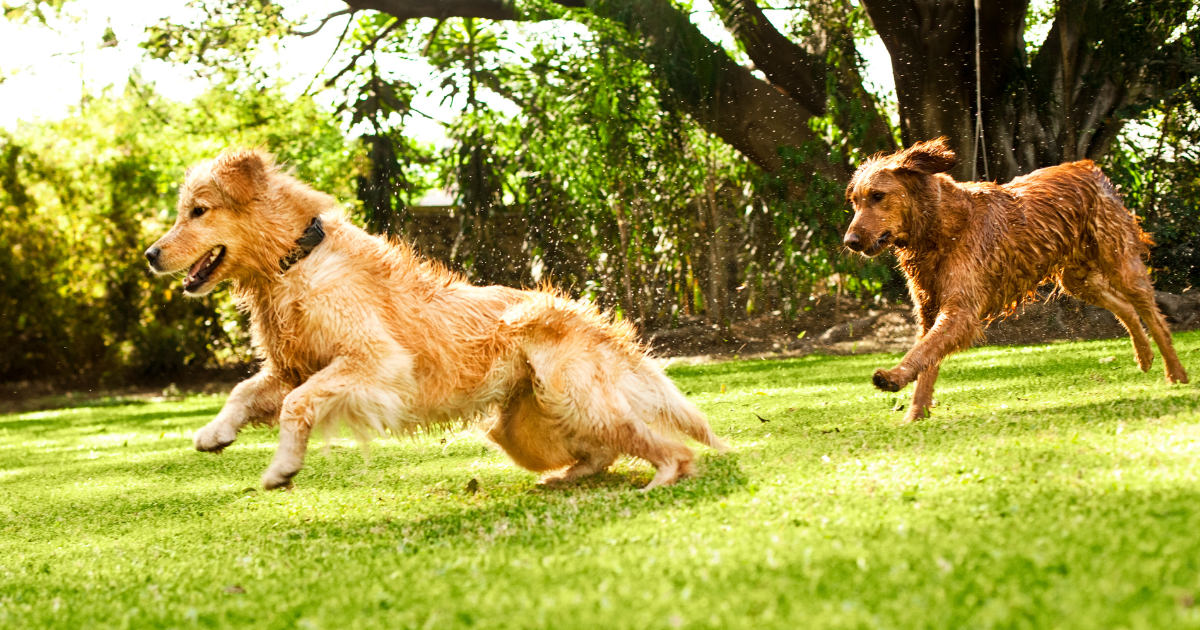 A tailored exercise regime will help combat canine obesity A Lighter Future for a Brighter Life As a passionate advocate for canine well-being, I urge every dog owner to prioritise weight management. A few extra kilos might seem insignificant, but the implications for your dog's health and happiness are profound. Joint health, cardiovascular wellness, and increased lifespan are all within your reach when you commit to maintaining your doggo at an optimal weight. Incorporate regular veterinary check-ups and consult with a canine physiotherapist to create a tailored weight management plan that addresses your dog's individual needs. By investing in their well-being today, you're ensuring a vibrant and fulfilling tomorrow. References: Marshall, W. G., Hazewinkel, H. A. W., Mullen, D., De Meyer, G., Baert, K., & Carmichael, S. (2010). The effect of weight loss on lameness in obese dogs with osteoarthritis. Veterinary Research Communications, 34(3), 241–253. Published online 2010 Mar 17. doi: 10.1007/s11259-010-9348-7 Salt, C., Morris, P. J., Wilson, D., Lund, E. M., & German, A. J. (2019). Association between life span and body condition in neutered client‐owned dogs. Journal of Veterinary Internal Medicine, 33(1), 89–99. Published online 2018 Dec 11. doi: 10.1111/jvim.15367 Tvarijonaviciute, A., Ceron, J. J., Holden, S. L., Cuthbertson, D. J., Biourge, V., Morris, P. J., & German, A. J. (2012). Obesity-related metabolic dysfunction in dogs: a comparison with human metabolic syndrome. BMC Veterinary Research, 8, 147. Published: 28 August 2012. doi: 10.1186/1746-6148-8-147 Gait analysis plays a vital role in canine rehabilitation, aiding veterinarians and canine rehabilitation specialists in understanding and treating various musculoskeletal conditions and injuries in dogs. By closely observing a dog's gait, experts can identify abnormalities and make informed decisions to develop effective treatment plans. In this blog post, we will explore the different forms of gait analysis in canine rehabilitation and look at the usability of each. 1. Visual Gait Assessment Visual gait assessment is the most common and basic form of gait analysis and is what I use the most. It involves observing a dog's movement visually to detect any abnormalities, asymmetries, or irregularities in their gait. I also tend to video all my dogs within the initial assessment so that I can go back later and slow the video down in case I have missed a small discrepancy. While this method is quick and easy to perform and requires little in the way of equipment, there is mixed evidence of the reliability of the data picked up by the therapist. A study by Evans and colleagues compared visual observation of gait to force plate analysis and evaluated 148 Labrador retrievers—131 that were 6 months post surgery for unilateral cranial cruciate ligament injury and 17 that were free of orthopaedic disease. The observer only identified 11% of the 131 dogs that were 6 months post surgery as being abnormal compared with force plate analysis, which revealed that 75% of the 131 dogs failed to achieve ground reaction forces consistent with sound Labrador retrievers. While force plate analysis is superior to visual observation, visual observation is still a practical tool in clinical practice, and its importance should not be discounted. 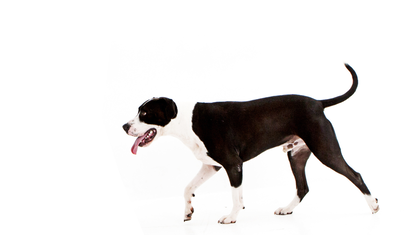 Visual gait assessment is a widely used tool in assessing and documenting gait discrepancies in dogs 2. Pressure Mat Analysis; Kinetic movement
Pressure mat analysis involves the use of specialised mats equipped with sensors that measure the distribution of pressure and force exerted by a dog's paws during movement or at a stationary stance. This technique offers a quantitative assessment of gait parameters, providing detailed insights into weight distribution and symmetry. Pressure mat measurements have been the most widely used and validated quantitative gait application in veterinary medicine to date and are considered the 'gold standard' in gait analysis. However, there are disadvantages to force plate analysis. Limitations include the need for a long dedicated walkway, multiple trials, difficulty in setting up, breaking down, and moving, the complexity of software and data analysis and cost and impracticality for clinical practice. 3. Kinematic Gait Analysis Kinematic gait analysis involves utilising motion capture technology to record a dog's movements in three-dimensional space. Reflective markers placed on key anatomical landmarks allow for precise measurement of joint angles and movement patterns during gait. Even though this is a great way to measure the acceleration and velocity of body segments, it still has its disadvantages. This system is costly to set up along with user accuracy when placing the markers and there can be extra movement that is picked up of the markers on the dog's skin. Kinematic analysis also doesn't give reason to 'causes of movement dysfunction' unlike EMG as it only describes motion. 4. Electromyography (EMG) Electromyography involves measuring the electrical activity of muscles during gait. By analysing the timing and magnitude of muscle activation, researchers gain insights into muscle function and identify potential imbalances or weaknesses, particularly in the neurological dog. Gait analysis is a critical component of canine rehabilitation, enabling veterinarians and rehab therapists to evaluate the effectiveness of treatment plans and monitor a dog's progress. While visual gait assessment remains a fundamental tool, advancements in technology have introduced more sophisticated techniques like pressure mat analysis, kinematic gait analysis, and electromyography. Each approach contributes unique insights into a dog's gait, allowing for tailored rehabilitation strategies. Evans R, Horstman C, Conzemius M. Accuracy and optimization of force platform gait analysis in Labradors with cranial cruciate disease evaluated at a walking gait. Vet Surg 2005; 34(5):445-449. Gordon-Evans WJ. Gait analysis. In Tobias KM, Johnston SA (eds): Veterinary Surgery: Small Animal. St. Louis: Elsevier, 2012, pp 1190-1196. |
AuthorJoanna Whitehead Archives
May 2024
Categories
All
|
 RSS Feed